

Table of Contents
- What Does Heavy Weight Cotton Actually Mean?
- What is GSM in Clothing and Why Does It Matter?
- Heavyweight vs Lightweight Cotton Durability: A Side-by-Side Look
- The Real Benefits of Heavy Weight Cotton: Fit, Warmth, and Longevity
- Where Heavy Weight Cotton Falls Short
- How to Care for Heavy Cotton Garments to Make Them Last
- Is Heavy Weight Cotton the Right Choice for You?
- Conclusion: The Verdict on Heavy Weight Cotton
- Frequently Asked Questions
Last Updated: September 8, 2026
What Does Heavy Weight Cotton Actually Mean?
Heavy weight cotton is a fabric category defined by its density and mass per unit area, typically measuring 200 GSM and above, which gives it a substantial feel and structural integrity that lighter fabrics lack (peer-reviewed research). This guide from PrevailX INC breaks down the technical reality behind the trend so you can decide if heavy weight cotton is worth the investment.
Most people assume "heavy" simply means thick or warm. In textile construction, weight determines everything from drape to tensile strength to how the garment survives repeated wash cycles. A 260 GSM tee and a 430 GSM hoodie behave completely differently on the body.

What is GSM in Clothing and Why Does It Matter?
GSM, or grams per square meter, is the metric that quantifies fabric density. It measures the mass of a one-meter-square swatch of fabric. This single number dictates drape, breathability, durability, and how a garment performs across different use cases.
The GSM Spectrum: A Technical Breakdown
Here is the practical breakdown:
- Under 120 GSM: Sheer, lightweight. Used for summer scarves or very light linings. Not suitable for structured garments.
- 120-150 GSM: Standard lightweight t-shirt territory. This is the typical fast-fashion tee. It drapes close to the body, breathes well in heat, but offers minimal structure and will show wear quickly.
- 150-180 GSM: The 'mid-weight' of t-shirts. A common sweet spot for basic everyday wear. It offers a balance of breathability and a bit more structure than the 120-150 range.
- 180-220 GSM: This is where 'premium' begins. A 200 GSM tee has a substantial hand-feel, holds its shape better, and starts to drape with intent rather than just hanging.
- 220-300 GSM: True heavyweight territory. This is the range for the 'perfect tee', structured, durable, and with a drape that flatters a boxy or oversized fit. A 260 GSM tee, like the PrevailX Signature Tee, sits here.
- 300-400+ GSM: The realm of hoodies, French terry, and workwear. A 430 GSM hoodie, such as the PrevailX French Terry option, is a dense, warm, and highly durable garment that functions as a standalone outer layer.
Why GSM Beats 'Thick' or 'Heavy'
Marketing language is imprecise. A 'heavy' shirt could be 180 GSM or 300 GSM. By using GSM, you can compare garments objectively across brands. When a product page lists a specific GSM, it is a signal of transparency and a commitment to a specific construction standard. Filter your search by GSM, not by adjectives.

The Mechanism: How GSM Affects Performance
The density of the weave, driven by GSM, creates a cascade of performance characteristics:
- Drape and Silhouette: Higher GSM fabrics have more mass, which pulls them down into a structured drape. Lower GSM fabrics are lighter and tend to cling to the body or collapse into wrinkles.
- Thermal Regulation: A denser weave traps more still air between the fibers and your skin. This dead air space acts as insulation, keeping you warmer in cool conditions. In hot conditions, a very high GSM fabric can trap too much heat, making it unsuitable.
- Structural Integrity: More fibers per square inch mean more material to resist the forces of stretching, friction, and washing. This is why a 260 GSM tee resists the 'bacon collar' effect and maintains its shoulder seams, while a 150 GSM tee does not.
- Moisture Management: While cotton is not a technical wicking fiber, the density of the weave affects how moisture moves. A lighter, more open weave allows for more airflow and faster evaporation. A heavier, tighter weave holds moisture closer to the skin for longer, which is a trade-off to consider for high-activity wear.
Heavyweight vs Lightweight Cotton Durability: A Side-by-Side Look
The durability gap between heavyweight and lightweight cotton comes down to fiber density and how much material exists to withstand friction, stretching, and washing. A heavier fabric has more cotton fibers per square inch, which means more tensile strength and better resistance to tearing and pilling over time.
| Fabric Weight | Typical GSM | Durability | Best Use Case | Longevity Expectation |
|---|---|---|---|---|
| Lightweight | 120-170 GSM | Low to moderate | Hot weather, layering | 6-12 months with regular wear |
| Midweight | 180-220 GSM | Moderate | Everyday basics | 1-2 years |
| Heavyweight | 240-300 GSM | High | Premium tees, structured wear | 3-5 years |
| Ultra-heavy | 400+ GSM | Very high | Outerwear, hoodies, workwear | 5+ years |
Shrinkage behavior also differs dramatically. Lightweight cotton jersey tends to shrink and lose shape after a few wash cycles, while ring-spun heavyweight cotton, when properly pre-shrunk, holds its measurements far better. A 430 GSM French Terry hoodie will not sag at the elbows or stretch out at the cuffs the way a thinner fleece will.
The Real Benefits of Heavy Weight Cotton: Fit, Warmth, and Longevity
Heavy weight cotton delivers three distinct advantages that justify its premium positioning: superior fit retention, meaningful warmth without bulk, and extended garment longevity.
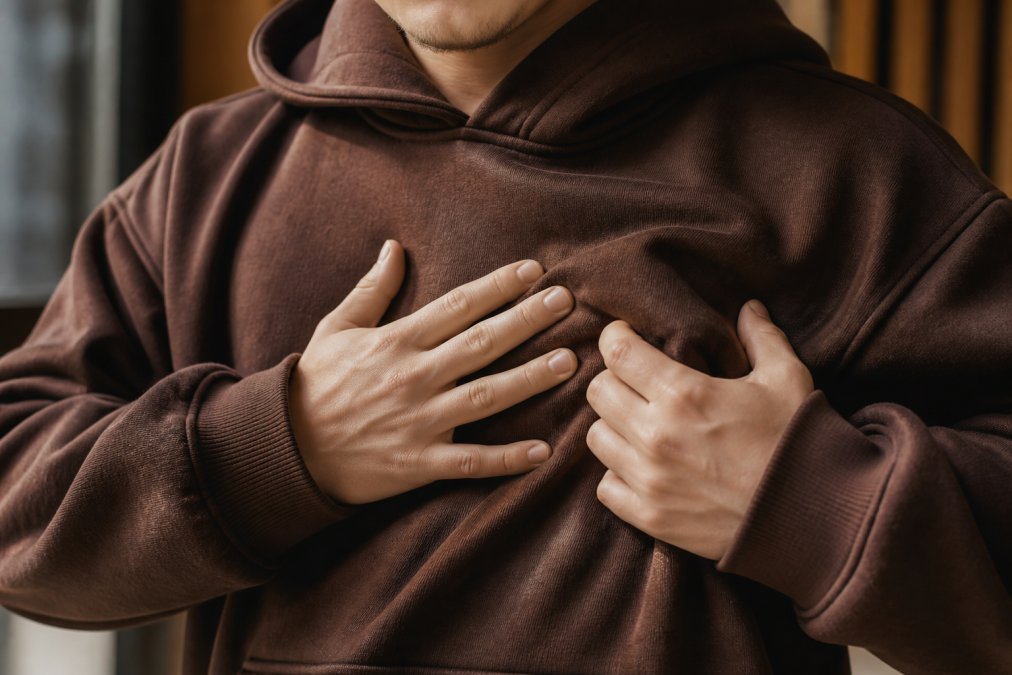
A heavyweight tee hangs with a clean, structured drape rather than clinging or collapsing against the body. The boxy fit and oversized trend work better with heavier fabrics because the material holds its intended silhouette instead of pooling shapelessly. A 260 GSM tee provides a solid base layer that does not wrinkle excessively under a jacket, while a 430 GSM hoodie functions as a standalone outer layer in cool weather.
The thermal regulation comes from the fabric's density, not from fleece backing or synthetic insulation. A dense cotton jersey traps body heat while remaining breathable, making it ideal for transitional seasons. The hand-feel of premium heavyweight cotton, especially ring-spun varieties, is smooth rather than rough.
Where Heavy Weight Cotton Falls Short
Heavy weight cotton is not a universal solution. Its advantages in structure and durability come with distinct trade-offs.
The Skin Sensitivity and Texture Factor
For those with sensory processing differences or sensitive skin, texture is as important as weight. While premium ring-spun heavyweight cotton is smooth, a lower-grade, carded heavyweight cotton can feel rough and scratchy. The denser weave also means less airflow, which can trap sweat and lead to irritation for those prone to heat rash or eczema. For individuals with tactile sensitivities, the pronounced structure of a 400+ GSM garment can feel restrictive and heavy, unlike a lighter, softer jersey that moves more freely.
The Environmental Cost of Density
The sustainability equation for heavy cotton is more complex than a simple 'longer-lasting is better' narrative. Producing a 430 GSM hoodie requires significantly more raw cotton fiber than a 200 GSM alternative. Cotton cultivation is water-intensive and often relies on pesticides. A heavier garment also requires more energy to wash and significantly more energy to dry, as the dense fabric holds more water and takes longer to dry. The counterargument is lifecycle extension: a heavy garment that lasts five years instead of a lightweight one that lasts one year has a lower per-wear environmental footprint. However, this logic only holds if the garment is actually worn for that extended period. If a heavy piece is relegated to the back of the closet because it is too warm for the climate, its environmental cost is not offset. As documented in the Sustainable Apparel Coalition's materials guidance, durability is a key factor, but it is not the only factor; utilization rate is equally important.
The Physical Limitations in Active Scenarios
Heavy cotton is a poor choice for athletic or high-activity wear. Its dense weave traps heat and moisture, which can lead to overheating and discomfort. Unlike technical synthetics or merino wool, heavyweight cotton does not effectively wick moisture away from the skin. It becomes heavy and clammy when saturated with sweat, and it dries slowly. For running, hiking, or high-intensity gym sessions, a lightweight, moisture-wicking synthetic or a merino blend is a functionally superior choice.
The Care Burden
The very density that provides durability also creates a care burden. These garments take longer to dry, are heavier to wash, are more prone to shrinking if not washed in cold water, and are more susceptible to stretching if hung while wet. If you are not prepared to separate your laundry and air-dry your heavy pieces, you will not realize the longevity benefits.
How to Care for Heavy Cotton Garments to Make Them Last
Caring for heavy cotton is straightforward once you understand that density changes how the fabric responds to water, heat, and agitation.
- Wash cold, always. Hot water accelerates shrinkage in dense cotton. Cold water protects the fibers and preserves the fit you paid for.
- Turn garments inside out before washing. This reduces surface friction that causes pilling and protects any printed or embroidered details.
- Air dry when possible. The dryer is the single biggest threat to heavy cotton longevity. If you must use a dryer, use low heat and remove garments while slightly damp.
- Avoid fabric softeners. They coat the fibers and reduce the natural breathability and moisture-wicking properties of the cotton.
- Fold heavy knits rather than hanging them. The weight of a 430 GSM hoodie can stretch the shoulders if left on a hanger for extended periods.
The wash cycles matter more than the detergent. A common mistake is treating heavy cotton like any other t-shirt and throwing it in with zippers and rough fabrics that cause abrasion. Laundry care guidance from the American Cleaning Institute recommends separating heavy knits from abrasive items to prevent pilling and maintain fabric density over time.
Is Heavy Weight Cotton the Right Choice for You?
Heavy weight cotton is the right choice if you prioritize structure, durability, and a garment that communicates intentional quality. It is the wrong choice if you live in a consistently hot climate or need maximum breathability for active wear.
First, where will you wear it? Heavyweight pieces excel in office environments, creative workplaces, and cool-weather social settings where the fabric's drape reads as polished. Second, what is your tolerance for garment care? If you will not separate wash loads or air dry, you will not preserve the qualities that made you choose heavy cotton. Third, what does longevity mean to you? If you view clothing as disposable, the higher upfront cost makes less sense than buying lighter, cheaper alternatives more frequently.
For those who see their wardrobe as an extension of their personal standards, the investment logic is clear. A 260 GSM tee from PrevailX at $60 replaces multiple cheaper tees that lose their shape within months. The 430 GSM French Terry hoodies at $120-$135 function as year-round outerwear, replacing several lighter jackets and sweatshirts.
Conclusion: The Verdict on Heavy Weight Cotton
Heavy weight cotton is worth it for anyone who values fit retention, durability, and the quiet confidence of a well-constructed garment. The higher cost per piece is offset by extended garment longevity and a silhouette that holds its structure wear after wear. The key is matching the fabric weight to your climate and use case.
At PrevailX INC, we build our collection around this principle. The 430 GSM French Terry hoodies and 260 GSM tees are constructed to serve as lasting reminders of resilience, with luxury design details like genuine leather accents and precise stitching throughout. Free shipping on orders over $150 makes the investment more accessible.
Frequently Asked Questions
Is heavy cotton good quality?
Heavy cotton is often a marker of good quality, but the weight alone doesn't tell the whole story. A high GSM, like 260 or 430, indicates a denser fabric that feels substantial and holds its shape. However, the quality of the fibers matters too. Look for ring-spun or long-staple cotton, which is stronger and smoother. A heavy weight cotton garment made with premium fibers will be more durable and feel better against the skin than a heavy piece made from lower-grade, carded cotton.
Does heavy weight cotton shrink more than standard cotton?
Heavy weight cotton can shrink, but it doesn't necessarily shrink more than lighter fabrics. The key factor is how the fabric was processed. Many premium brands pre-shrink their fabrics to minimize this issue. To be safe, always wash your heavy cotton garments in cold water and tumble dry on low. Avoid high heat, which is the main culprit behind shrinkage and can also break down the fibers over time, reducing the garment's lifespan.
Is heavy weight cotton breathable for year-round wear?
Yes, heavy weight cotton can be breathable, but its suitability depends on the climate and the specific weave. Fabrics like French Terry, which is often used for 430 GSM hoodies, are looped on the inside, which traps heat while still allowing for some airflow. This makes them ideal for cooler months or layering. For hot summer days, a lighter 260 GSM option is a better choice. Heavy weight cotton offers excellent thermal regulation, making it a versatile choice for transitional weather.
How do you identify high-quality heavyweight cotton?
To identify high-quality heavyweight cotton, first check the GSM label; anything above 200 GSM is considered heavyweight. Next, feel the fabric. Premium options have a dense, structured feel without being stiff or rough. Look for terms like 'ring-spun' or 'combed cotton' which indicate softer, stronger fibers. Finally, inspect the stitching and construction. A quality garment will have reinforced seams and a clean, consistent weave, ensuring it will withstand many wash cycles.
The challenge is not finding heavy weight cotton; it is finding pieces that justify the weight with genuine construction quality and a design that carries meaning. PrevailX pairs premium heavyweight fabrics with a purpose-driven narrative, so your clothing reflects both your standards and your story. Get started with PrevailX and build a wardrobe that holds its shape as well as you hold yours.


