


Table of Contents
- The Real Cost of Luxury: Beyond the Price Tag
- What Is GSM in Clothing and Why It Matters
- Luxury vs. Fast Fashion Durability: Where the Difference Shows
- Cost Per Wear Calculation: The True Value Metric
- Craftsmanship, Materials, and Brand Heritage
- Resale Value and Investment Potential
- Is Luxury Clothing Worth the Price for You?
- Conclusion
- Frequently Asked Questions
Last Updated: September 3, 2026
The Real Cost of Luxury: Beyond the Price Tag
When evaluating luxury clothing, you're asking whether the higher price delivers proportional value. This requires understanding what you're actually paying for beyond the sticker price.
Luxury pricing reflects materials, construction, brand heritage, and resale potential, not just aesthetics. Comparing a luxury item's sticker price to fast fashion is flawed because you're not comparing equivalent products.
Understanding whether luxury clothing is worth the price requires examining durability, cost per wear, craftsmanship quality, and investment potential. PrevailX INC's premium 430 GSM French Terry hoodies exemplify investment pieces that hold value over time.
What Is GSM in Clothing and Why It Matters
GSM stands for grams per square meter, a measurement that indicates the weight and density of fabric. A higher GSM means more material per unit of area, which typically translates to better durability, superior comfort, and longer garment lifespan.
GSM directly influences durability and performance. A lightweight t-shirt measures 150 GSM, a standard hoodie 250-300 GSM, while premium 430 GSM French Terry represents the upper tier. Heavier fabric resists pilling, maintains shape, and provides better insulation.
GSM provides an objective metric for comparing quality. A 430 GSM hoodie feels substantially different from a 200 GSM alternative, thicker, more substantial, more durable, justifying the luxury price point.
GSM helps distinguish genuine quality from brand markup. Premium garments use heavier fabric that resists degradation; fast fashion uses 150-200 GSM materials that thin, pill, and lose shape within a season. GSM enables direct price-point comparisons.
Luxury vs. Fast Fashion Durability: Where the Difference Shows
Fast fashion uses lower-density fabrics, simpler stitching, and cheap materials that degrade within one to two seasons. Luxury clothing is engineered to last years with proper care through heavier fabrics, reinforced stitching at stress points, and materials chosen for longevity.
A $50 fast fashion hoodie lasting one season costs $50 per season. A $200 luxury hoodie lasting five seasons costs $40 per season, plus superior comfort and aesthetics. The real cost is spread across the garment's actual lifespan.
Don't assume price alone indicates quality. Examine specific materials, stitching techniques, and construction methods rather than relying on brand prestige.
Luxury garments require careful handling and proper care because superior materials demand it. This maintenance investment rewards you with years of consistent performance.
Cost Per Wear Calculation: The True Value Metric
Cost per wear is the most honest evaluation metric: divide purchase price by realistic lifetime wears.
Calculate: (purchase price) ÷ (annual wears × years worn) = cost per wear. Be realistic about wear frequency and lifespan.
A $200 luxury hoodie worn 100 times yearly for five years = 500 wears at $0.40 per wear. A $50 fast fashion hoodie worn 100 times yearly for one season = 100 wears at $0.50 per wear. Luxury is cheaper per wear.
Luxury is worth the price for items you wear regularly. Unworn pieces have infinite cost per wear; everyday staples worn hundreds of times per year become increasingly valuable.
Luxury is worth the price for capsule wardrobe pieces, versatile items worn repeatedly across seasons. A luxury black hoodie lasting five years has dramatically lower cost per wear than trendy fast fashion abandoned after one season.
| Garment Type | Purchase Price | Annual Wears | Lifespan (Years) | Total Wears | Cost Per Wear |
|---|---|---|---|---|---|
| Luxury Hoodie | $200 | 100 | 5 | 500 | $0.40 |
| Fast Fashion Hoodie | $50 | 100 | 1 | 100 | $0.50 |
| Luxury Jeans | $150 | 80 | 7 | 560 | $0.27 |
| Fast Fashion Jeans | $40 | 80 | 2 | 160 | $0.25 |
Luxury isn't automatically cheaper per wear; it depends on actual wear duration and frequency. The advantage emerges with similar wear patterns and lifespan expectations.
Craftsmanship, Materials, and Brand Heritage
Luxury justifies its price through superior construction and materials. Craftsmanship includes stitching precision, seam reinforcement, hem quality, and details fast fashion ignores.
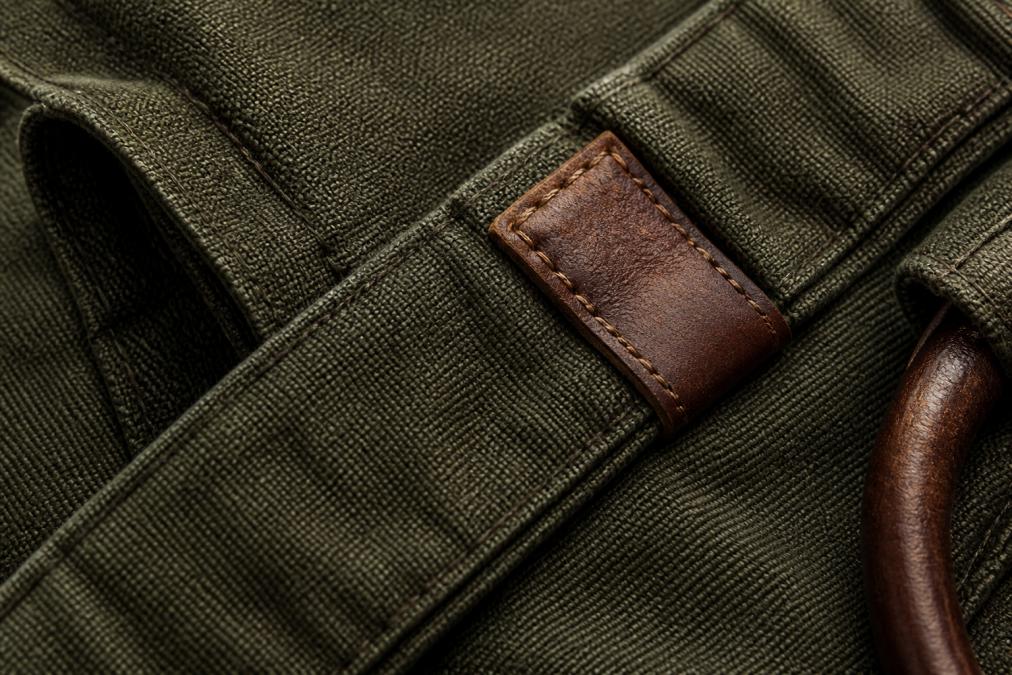
Luxury construction is immediately apparent: straight consistent stitching, reinforced seams at stress points, carefully finished hems. These details require skilled labor and more time per garment, dramatically impacting longevity.
Luxury brands source premium natural fibers chosen for performance: better breathability, temperature regulation, and graceful aging. Fast fashion uses synthetic blends and lower-grade fibers that pill and degrade quickly.
Brand heritage provides accumulated expertise: understanding fabric behavior, durability-maximizing construction, and timeless design. This expertise translates into better products.
Luxury brands make deliberate choices based on performance: 430 GSM French Terry for optimal durability, quality thread, buttons, and zippers. That intentionality is what you're paying for.
Resale Value and Investment Potential
Luxury clothing holds resale value in ways that fast fashion never does. This is perhaps the most concrete evidence that luxury clothing is worth the price, the secondary market literally assigns dollar value to used luxury pieces.
Luxury items retain 40-60% of original value after one year; fast fashion retains 5-10%. This gap reflects luxury's durability, timeless style, and appeal to quality-focused buyers.
The resale market validates luxury quality: buyers pay for secondhand luxury pieces. Fast fashion clogs thrift stores with minimal resale value.
A $200 luxury hoodie retaining 50% value after three years effectively costs $100 for three years, or $33 yearly. Resale value makes luxury substantially more attractive than initial price suggests.
Some luxury garments appreciate over time, particularly limited editions or heritage pieces. This investment potential is unique to luxury; fast fashion never appreciates.
The practical implication is that luxury clothing worth buying should be evaluated partly on resale potential. Pieces from established brands with strong secondary markets are safer investments. Trendy luxury items that rely on current fashion cycles are riskier because they may lose resale value as trends shift.
Is Luxury Clothing Worth the Price for You?
Whether luxury is worth the price depends on your specific situation. Several factors determine if the investment makes sense.
Consider your wear pattern. Luxury is worth the price if you wear items 100+ times yearly for multiple years. Cost per wear is the deciding factor; be honest about actual usage.
Evaluate your wardrobe philosophy. Luxury suits capsule wardrobes with versatile, repeatedly-worn pieces. It's less valuable if you prefer variety and frequent style changes.
Assess your financial situation. Luxury requires disposable income. If it means debt or skipped priorities, it's not worth the price. Luxury should enhance, not strain.
Consider your values. Luxury aligns with sustainability and longevity through durability and resale. Fast fashion suits trend-followers seeking variety.
Examine the specific brand and piece. A luxury hoodie from a heritage brand with proven durability is worth the price; one relying purely on prestige may not be. Evaluate craftsmanship, materials, and construction.
Conclusion
Is luxury clothing worth the price? Yes, in specific contexts. Evaluate based on cost per wear, durability, craftsmanship, and resale value, not sticker price, to make luxury a rational investment.
Match luxury purchases to actual wearing habits. Pieces worn hundreds of times over years are cheaper per wear than fast fashion. Rarely-worn pieces are never worth the price.
PrevailX INC creates luxury pieces designed for this evaluation. Our 430 GSM French Terry hoodies justify premium pricing through superior materials, thoughtful craftsmanship, and durability that makes cost per wear compelling.
Stop comparing luxury to fast fashion; compare it to itself. Does this piece deliver quality, durability, and aesthetic value justifying the investment? Will you wear it enough for reasonable per-wear cost? Will it hold value? Answer honestly.
Federal Trade Commission guidance on textile labeling and fiber content
American Apparel and Footwear Association sustainability standards
Textile Exchange report on natural fiber production and quality standards
Frequently Asked Questions
Is luxury clothing actually worth the higher price tag?
Luxury clothing's value depends on your priorities and usage patterns. Heavy-weight fabrics like 430 GSM French Terry offer superior durability and comfort compared to lightweight alternatives, often lasting years longer. The cost per wear calculation, dividing the purchase price by the number of times worn, frequently favors luxury pieces over cheaper alternatives when worn regularly. However, if you rarely wear items or prioritize variety over longevity, budget-friendly options may better suit your needs.
What is GSM in clothing, and does higher GSM mean better quality?
GSM stands for grams per square meter, measuring fabric weight and density. Higher GSM indicates a heavier, denser fabric with greater durability and longevity. A 430 GSM French Terry fabric is considered premium-weight, offering superior structure, warmth, and resistance to wear compared to lightweight fabrics under 250 GSM. However, GSM alone doesn't determine quality, fiber composition, construction method, and finishing techniques also significantly impact how well a garment performs over time.
How do I calculate cost per wear for luxury clothing?
Divide the purchase price by the estimated number of times you'll wear the item. For example, a $300 hoodie worn 150 times over three years costs $2 per wear. Luxury pieces with superior durability often achieve lower cost-per-wear figures than cheaper alternatives worn fewer times before deteriorating. Consider your lifestyle, climate, and how frequently you'll realistically wear the piece. Items that become wardrobe staples justify higher upfront costs through repeated use.
What's the difference between luxury and fast fashion durability?
Luxury clothing typically uses natural textiles, higher GSM weights, reinforced seams, and superior finishing techniques that extend garment lifespan to five to ten years or more. Fast fashion relies on synthetic fibers, lightweight construction, and minimal quality control, with items often degrading after ten to twenty wears. Luxury pieces maintain their aesthetic appeal and structural integrity through repeated washing and wearing, while fast fashion garments lose shape, fade, and develop defects quickly. The durability gap directly impacts both environmental footprint and long-term cost efficiency.
This article was written using GrandRanker

