

Last Updated: November 22, 2026
Quick Summary
3-end French terry is a heavyweight knit built with three yarn feeds, which gives it a dense, structured feel and a soft looped inner face. Its main advantages are shape retention and a substantial hand, while its drawbacks are extra weight, added warmth, and a higher price than lighter knits.
- Three-end French terry commonly runs 350-450 GSM, versus 240-300 GSM for two-end.
- The third yarn feed creates a taller, denser loop that traps more air for warmth.
- It holds a fuller, structured shape, which suits boxy hoodies and crewnecks.
- Expect less stretch than two-end, trading forgiveness for stability at elbows and knees.
- Wash inside out in cold water on a gentle cycle and avoid high-heat drying.
Table of Contents
- Pros and Cons of 3-End French Terry at a Glance
- What Is 3-End French Terry and How Is It Built?
- 3-End vs 2-End French Terry: Where the Trade-Offs Differ
- French Terry vs Fleece: Which Suits Your Garment?
- French Terry GSM Guide: Why 430 GSM Changes the Result
- Caring for 3-End French Terry: Washing and Drying Instructions
- Choosing a 3-End French Terry Hoodie or Sweater for Your Wardrobe
- Frequently Asked Questions
Pros and Cons of 3-End French Terry at a Glance
Three-end French terry is a heavyweight knit that shoppers often pick for its structure and softness, but it has real trade-offs worth weighing before you buy. The points below come from the fabric itself rather than from marketing language.
The main advantages are a dense, substantial hand, a clean silhouette that holds its shape, and a soft looped inner face that feels comfortable against skin. The main drawbacks are weight, a warmer feel that suits cooler months better, and a higher price than lighter knits. Below, we break down each point so you can decide whether this fabric fits your wardrobe.
What Is 3-End French Terry and How Is It Built?
3-end French terry is a weft-knit fabric built on a circular knitting machine using three yarn feeds per course, typically a face yarn, a binding or tie-in yarn, and a loop yarn. For a closer look at how heavyweight French terry is constructed, see heavyweight French terry construction. That third end is what separates it from lighter two-end French terry: it lets the knitter form a taller, denser loop on the back while keeping the front face flat and smooth.
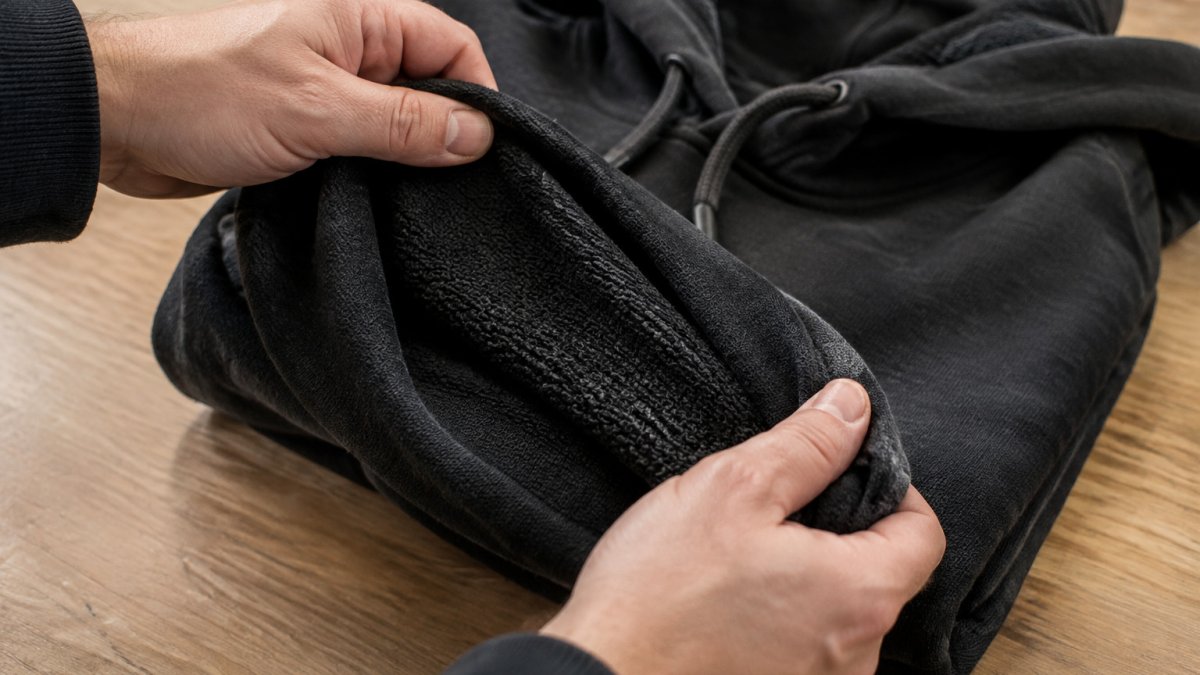
Here is the mechanism in plain terms. On a two-end build, one yarn forms the face and one forms the loop, so loop height and fabric weight are limited by how much yarn those two feeds can carry. Adding a third feed lets the machine lay in more yarn per square inch without stretching the face. The result is a heavier fabric with a more pronounced looped back, a flatter technical face, and better dimensional stability, the fabric resists twisting and skewing because the extra yarn balances the knit structure.
That structure produces the hand most people associate with premium sweatshirts: a smooth outer face that takes screen printing, embroidery, and clean topstitching well, and a looped inner face that traps air for warmth without the brushed fuzz of fleece. Because the loops sit proud of the backing rather than being napped, three-end French terry also tends to pill less than brushed fleece in the same weight class.
Weight is the visible consequence. A two-end French terry commonly lands in the 240-300 GSM range, while a three-end build can run 350-450 GSM and up.
Watch out: "three-end" describes the knitting setup, not a guaranteed weight. A mill can knit a three-end fabric at a moderate GSM, so confirm the actual grams per square meter and fiber blend rather than assuming the end count alone delivers the density you want.
3-End vs 2-End French Terry: Where the Trade-Offs Differ
Most pages compare French terry to fleece and skip the comparison buyers actually face: three-end versus two-end French terry. Here is the side-by-side that matters.
Weight and thickness. Two-end French terry typically runs 240-300 GSM; three-end commonly runs 350-450 GSM. The three-end fabric is visibly thicker and heavier in the hand, which is the first thing most people notice when they handle both swatches.
Warmth. The taller, denser loop on a three-end build traps more air, so it runs warmer at the same fiber content. Two-end is the better choice for transitional weather and layering under a jacket; three-end suits cold-weather hoodies and standalone sweatshirts.
Drape and structure. Two-end drapes closer to the body and moves with it. Three-end holds a fuller, more architectural shape, good for boxy hoodies and structured crewnecks, less good if you want a soft, fluid fit.
Stretch and recovery. Two-end generally stretches more because the lighter knit has more give. Three-end trades some of that stretch for stability, so it resists bagging at the elbows and knees but feels less forgiving in a slim fit.
Durability.
Cost. Three-end uses more yarn and slower knitting, so it costs more per yard and typically lands at a higher retail price.
Best uses. Choose two-end for lightweight layering pieces and garments that need fluid drape. Choose three-end for heavyweight hoodies and pieces meant to hold their shape.
A practical rule: if you want a garment that feels substantial on the hanger and keeps its line through repeated wear, three-end is the safer bet. If you want a lighter layer you can move in freely, two-end wins. Neither is better in the abstract, the trade-off is weight and structure against stretch and breathability.
The article compares three-end and two-end French terry on the trade-offs buyers face most often.
| Factor | 2-End French Terry | 3-End French Terry |
|---|---|---|
| Weight | Typically 240-300 GSM | Commonly 350-450 GSM |
| Warmth | Better for transitional weather | Warmer; suits cold-weather hoodies |
| Drape | Closer to the body, moves with it | Fuller, holds a structured shape |
| Stretch | Generally stretches more | Trades stretch for stability |
| Cost | Lower | Higher, uses more yarn |
| Best use | Lightweight layering, fluid drape | Heavyweight hoodies, shape retention |
French Terry vs Fleece: Which Suits Your Garment?
French terry and fleece both feel soft, but they behave differently. French terry is a knit with looped backing, while fleece is a brushed fabric with a raised pile. French terry offers more structure and a smoother surface than fleece. For a fuller head-to-head comparison of warmth, breathability, durability, and care, see French terry vs fleece compared.
French Terry GSM Guide: Why 430 GSM Changes the Result
GSM, or grams per square meter, measures fabric weight. Higher GSM generally means a denser, heavier fabric with more body. At 430 GSM, our French terry feels substantial and holds a firm silhouette, which suits structured hoodies and sweaters.
The trade-off is weight. A heavier fabric runs warmer and can feel bulky under a jacket. To judge whether heavier cotton justifies its cost, read this heavyweight cotton buyer's guide.
Caring for 3-End French Terry: Washing and Drying Instructions
Care has a direct effect on how long heavyweight French terry keeps its shape. Wash it inside out in cold water on a gentle cycle to protect the looped face. Avoid high heat in the dryer, which can cause shrinkage and surface changes over time. Hanging or laying flat to dry helps the garment hold its structure.
A common mistake is over-washing. Wash only when needed and turn the garment inside out each time to reduce pilling.
Choosing a 3-End French Terry Hoodie or Sweater for Your Wardrobe
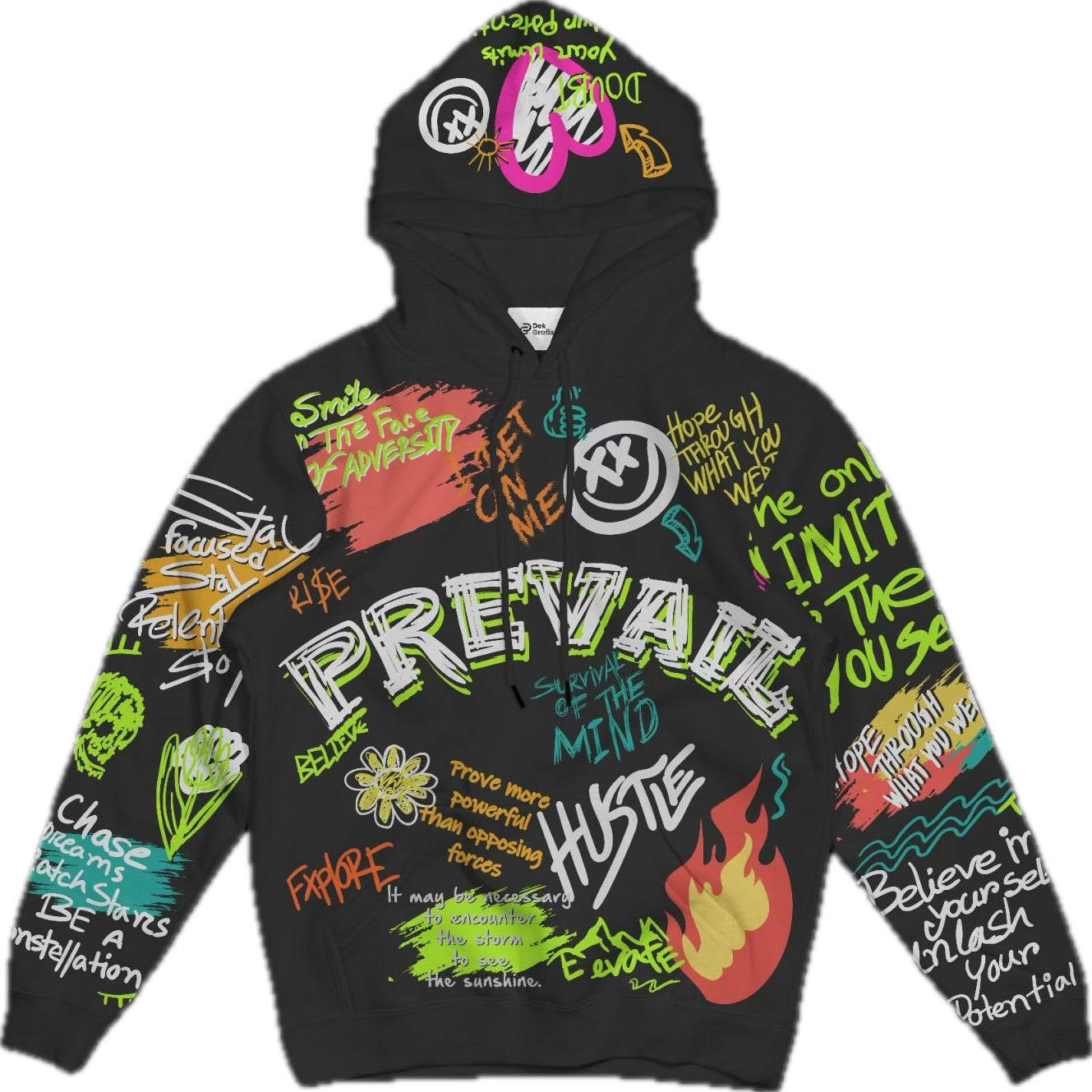
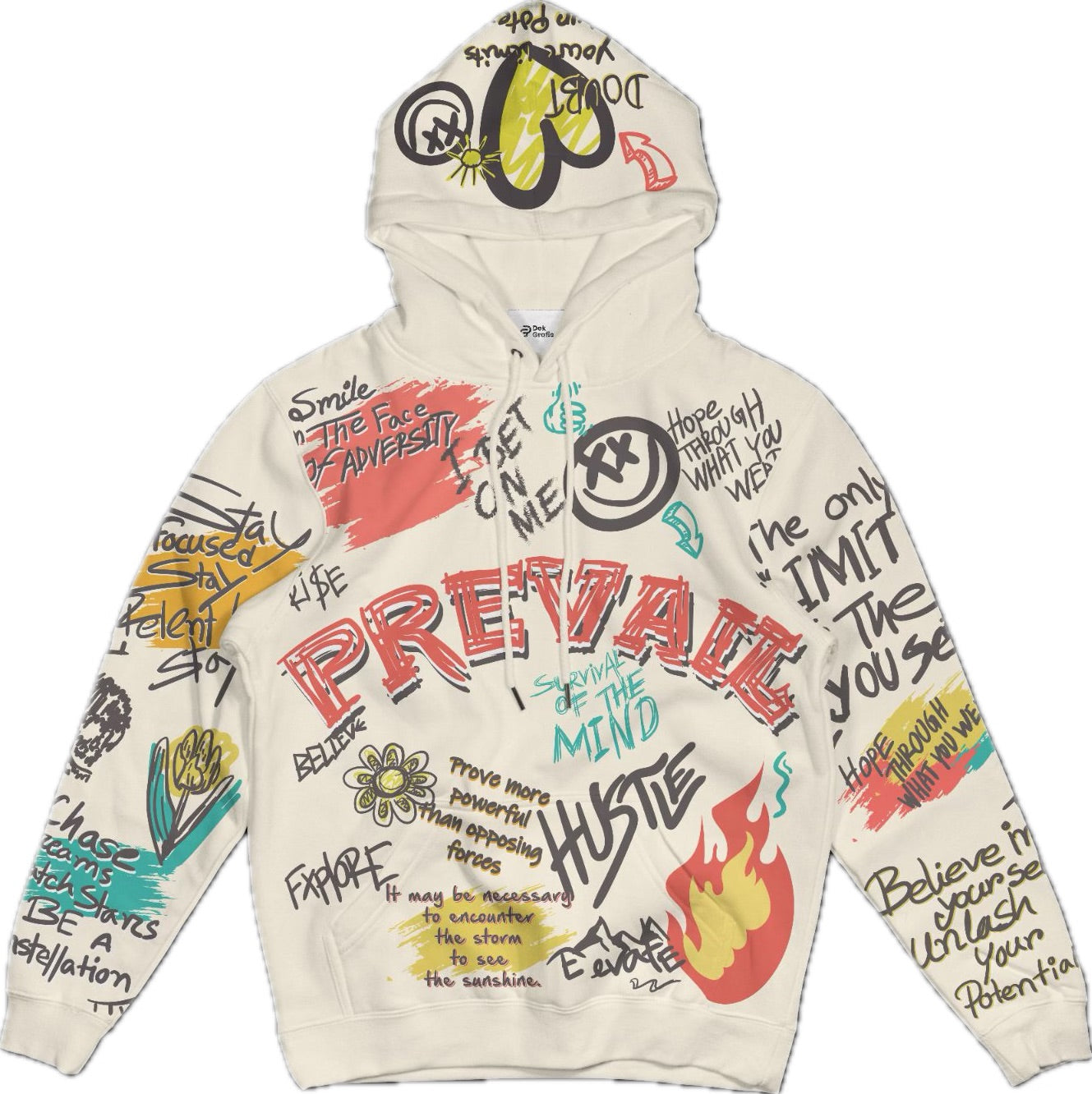
Start with how you plan to wear it. For a structured everyday layer, the Prevailx Luxury Graffiti Black Hoodie ($120.00) pairs a deep black 430 GSM French terry body with functional side zippers. For a refined, lighter-toned option, the Prevailx Luxury Graffiti Crème Hoodie ($120.00) offers the same heavyweight construction in a clean crème colorway.
For a crew-neck option with a quieter look, the Prevailx Luxury Black-on-Black Sweater ($135.00) features a genuine leather PrevailX logo. The PrevailX Luxury 430 GSM Brown French Terry Heavy Weight Hoodie with Leather Accents ($135.00) and the Prevailx Luxury Hunter Green Hoodie ($135.00) add color with leather accents on the logos and zippers.
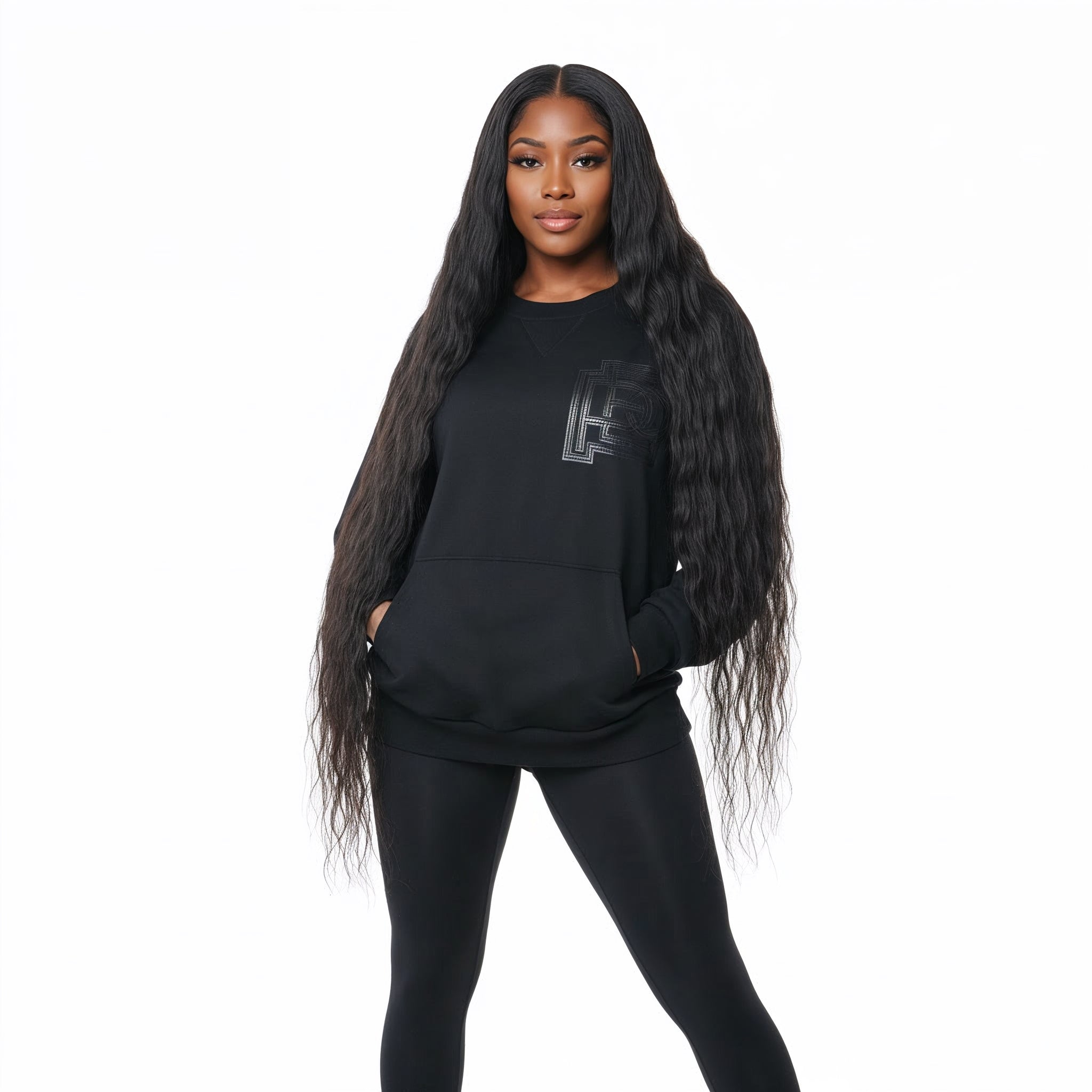
Whichever you choose, expect the heavyweight structure and a warmer feel. Free shipping applies to orders over $150.
Ready to find your piece? Explore the PrevailX collection and choose the heavyweight French terry that fits how you dress. Shop the PrevailX range and build a wardrobe of structured, quietly confident pieces.
Frequently Asked Questions
What is 3-end French terry?
3-end French terry is a knit fabric made with three yarn feeds, which produces a denser, heavier structure than standard two-end French terry. The looped inner face stays soft against the skin while the smooth outer face takes prints and detailing cleanly. PrevailX hoodies and sweaters use 430 GSM heavyweight French terry, which gives the garment a structured drape and a substantial feel.
Is 3-end French terry warmer than regular French terry?
Generally yes. The denser knit and higher fabric weight trap more air within the structure, which increases insulation compared with lighter two-end French terry. That warmth comes with less breathability, so a heavyweight 3-end piece suits cooler conditions or layering better than hot, humid weather. Lighter weights remain the better choice for warm-season layering.
Does French terry shrink after washing?
Some shrinkage is possible, especially with cotton-heavy blends washed in hot water or dried on high heat. Washing in cold water and air drying flat or on a low setting helps the garment keep its dimensions and original hand feel. Pre-washing a fabric before cutting is a common production practice, but retail garments should still be cared for gently to limit shrinkage over time.
Is French terry better than fleece for hoodies?
It depends on the goal. French terry is a knit with a smooth outer face and looped inner face, so it tends to look more refined, drape more structurally, and suit streetwear or sophisticated casual styles. Fleece is brushed and typically lighter and warmer for its weight, suiting outdoor or active use. For a heavyweight hoodie with structure and softness, the PrevailX Graffiti Black Hoodie is made from 430 GSM French terry.


