




Last Updated: November 18, 2026
Quick Summary
A well-made heavy cotton tee or hoodie should stay wearable for years, not months, when washed cold and air dried. Cotton clothes generally last 2 to 5 years depending on weight and care, and heavy cotton often outlasts the 100 to 200 wash cycles typical of a cotton T-shirt.
- Heavyweight cotton is fabric at roughly 200 GSM (about 5.9 oz/yd²) or higher.
- Cold water and air drying push a tee toward 150+ washes; hot water and high heat can drop it under 100.
- Heavyweight cotton can shrink 3% to 5% on the first wash if it is not pre-shrunk.
- Wash heavy cotton less often, aiming for two to three wears between washes.
- Extending a garment's life by nine months can cut its carbon, water, and waste footprint by up to 20%.
Table of Contents
- How Long Does Heavy Cotton Last?
- How Long Do Cotton Clothes Last Compared to Other Fabrics?
- Fabric Weight and Construction: What Actually Decides Durability
- How Many Washes Does a T-Shirt Last?
- Will Heavyweight Cotton Shrink?
- How to Care for Heavyweight Cotton: A Step-by-Step Routine
- Signs Your Garment Has Reached the End of Its Life
- Choosing Heavy Cotton That Holds Up for Years
- Frequently Asked Questions
How Long Does Heavy Cotton Last?
in regular rotation when it is washed cold and air dried, according to Anchor Me Down's 2026 heavyweight cotton care guide.
Most people asking how long does heavy cotton last want a straight answer.
At PrevailX, we build around this idea.
But first, here is what most guides get wrong. They quote a single lifespan for all cotton.
Here are the key lifespan figures the article cites for heavy cotton and cotton clothing generally.
| Item | Value | Note |
|---|---|---|
| Heavyweight tee or hoodie lifespan | Years, not months | Washed cold and air dried |
| Cotton clothes generally | 2 to 5 years | Depends on weight and care |
| Consumers expecting cotton to outlast manmade fibers | 41% | Cotton Incorporated Durability Survey 2026 |
| Expected life of casual cotton shirts and shorts | 4.5 to 5 years | Consumer expectations, not measured results |
| Wash cycles for a cotton T-shirt | 100 to 200 | Heavy cotton often lasts longer |
| Cold water, air dry | 150+ washes | Pushes toward the high end |
| Warm water, tumble dry low | Around 100 to 150 washes | Middle range |
| Hot water, high heat drying | Sometimes under 100 washes | Low end |
How Long Do Cotton Clothes Last Compared to Other Fabrics?
Cotton clothes generally last 2 to 5 years depending on weight and care, and consumer expectations run high. According to Cotton Incorporated's Durability Survey 2026, 41% of consumers expect cotton clothing to outlast polyester, rayon, and other manmade fibers. The same survey found consumers expect casual cotton shirts and shorts to last 4.5 to 5 years.
Those are expectations, not measured results. Still, they tell you something useful: people who buy cotton expect it to hold up.
If you are weighing whether a higher price buys a longer life, our guide to whether luxury clothing is worth the price walks through that trade-off in detail.
The short version: fabric quality matters more than fiber type alone. A cheap cotton tee and a premium cotton tee are not the same garment.
Fabric Weight and Construction: What Actually Decides Durability
Fabric weight and construction decide durability more than any single label claim. Weight is measured in grams per square meter (GSM) or, in the United States, ounces per square yard (oz/yd²).
Heavier fabric means more cotton per square meter, which usually means a thicker knit. But weight alone is not proof of durability. A heavy fabric with poor stitching will fail at the seams before the cloth wears through.
What Counts as Heavyweight Cotton
Heavyweight cotton is cotton fabric at roughly 200 GSM (about 5.9 oz/yd²) or higher. In practice, the ranges break down like this:
- Lightweight: roughly 120 to 150 GSM (3.5 to 4.4 oz/yd²). Cooler and cheaper, but it thins faster at the collar and underarms.
- Midweight: roughly 150 to 200 GSM (4.4 to 5.9 oz/yd²). Common for everyday tees.
- Heavyweight: roughly 200 to 300 GSM (5.9 to 8.8 oz/yd²). Typical for premium tees and heavier button-downs.
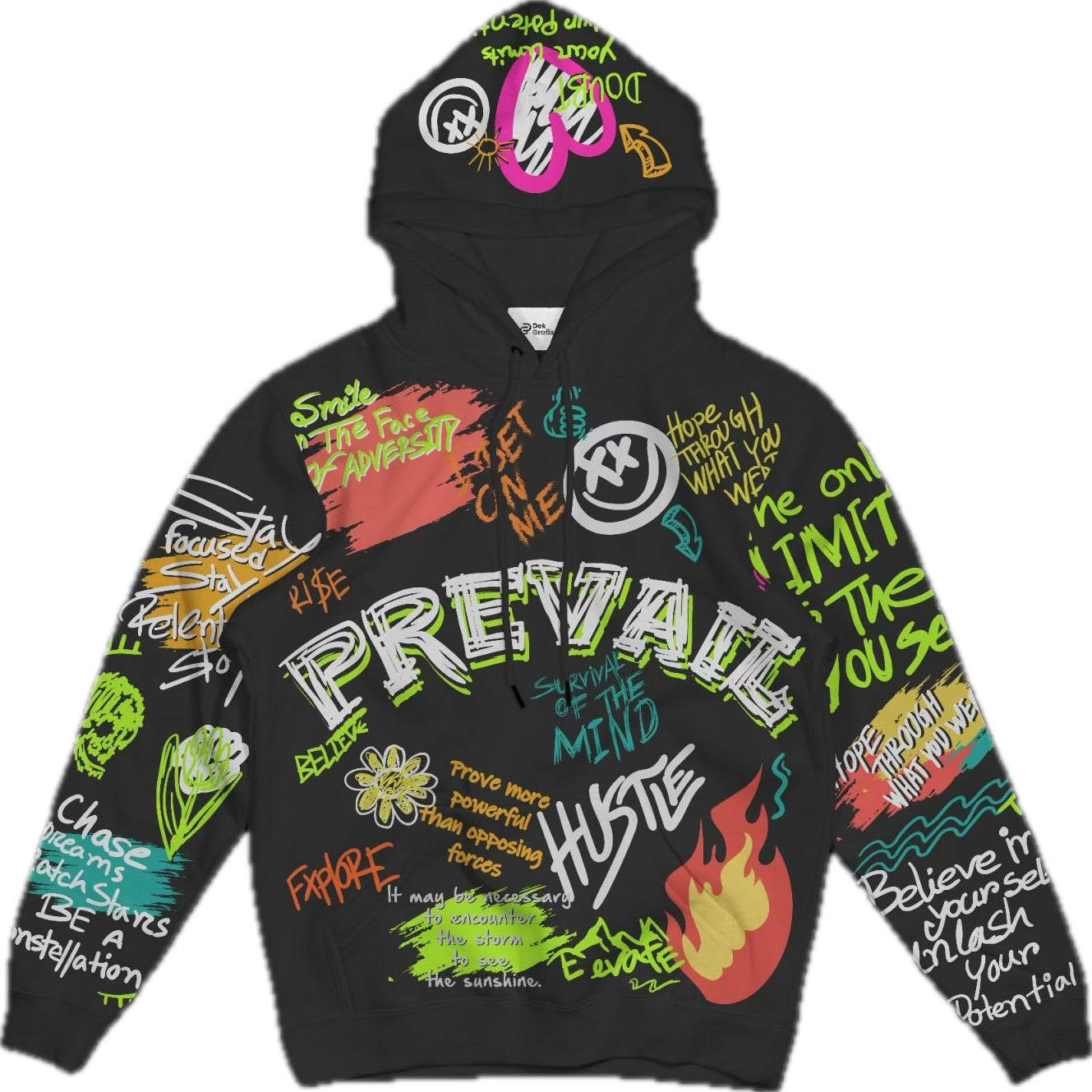
For reference, our 430 GSM French Terry hoodie sits firmly in the extra-heavyweight range. You can feel the difference the moment you pick it up: more structure, less drape, and a fabric that keeps its shape.
Watch out: a high GSM number does not automatically mean better quality. Some mills reach a heavy weight by using low-quality short-staple cotton packed densely, which pills and weakens faster than a lighter long-staple fabric.
Stitching, Seams, and Yarn Quality
Construction is the part most buyers ignore, and it can matter as much as fabric weight to real-world durability. Look for these details:
- Double-stitched seams at stress points like shoulders, armholes, and side seams. Single stitching is the first thing to split.
- Reinforced neckline with taping or a ribbed collar to stop stretching.
- Long-staple yarn such as Pima or Supima cotton, which pills less than short fibers because there are fewer loose fiber ends.
A common mistake is judging a garment by feel alone. A soft, thick fabric with single stitching will still split at the seam. Check the inside of the garment, not just the outside. Turn it inside out and look at the seam allowance, the neckline tape, and the hem finish. Those hidden details are where a heavyweight piece either earns its price or reveals that the weight is cosmetic.
How Many Washes Does a T-Shirt Last?
A cotton T-shirt typically handles 100 to 200 wash cycles before visible wear, though heavy cotton often lasts longer.
Frequent washing is the quiet killer. Every wash cycle moves fibers against each other. Over time, that friction causes thinning, pilling, and fading.
Here is the practical breakdown:
- Cold water, air dry: Pushes toward the high end, often 150+ washes
- Warm water, tumble dry low: Middle range, around 100 to 150 washes
- Hot water, high heat drying: Low end, sometimes under 100 washes
The fix is simple. Wash less often. Spot clean between wears. Turn garments inside out to protect the outer surface.
Will Heavyweight Cotton Shrink?
Yes, heavyweight cotton can shrink, usually 3% to 5% on the first wash if it is not pre-shrunk.
Most quality heavyweight pieces are pre-shrunk at the mill. That reduces first-wash shrinkage to a small amount. Cold water washing and air drying keep it near zero after that.
Watch out: high heat in the dryer is the main cause of shrinkage. It also speeds up fading and weakens the fabric over time.
How to Care for Heavyweight Cotton: A Step-by-Step Routine
Proper care for heavyweight cotton comes down to cold water, low agitation, and air drying. Follow this routine and a quality piece will hold its shape and color for years.
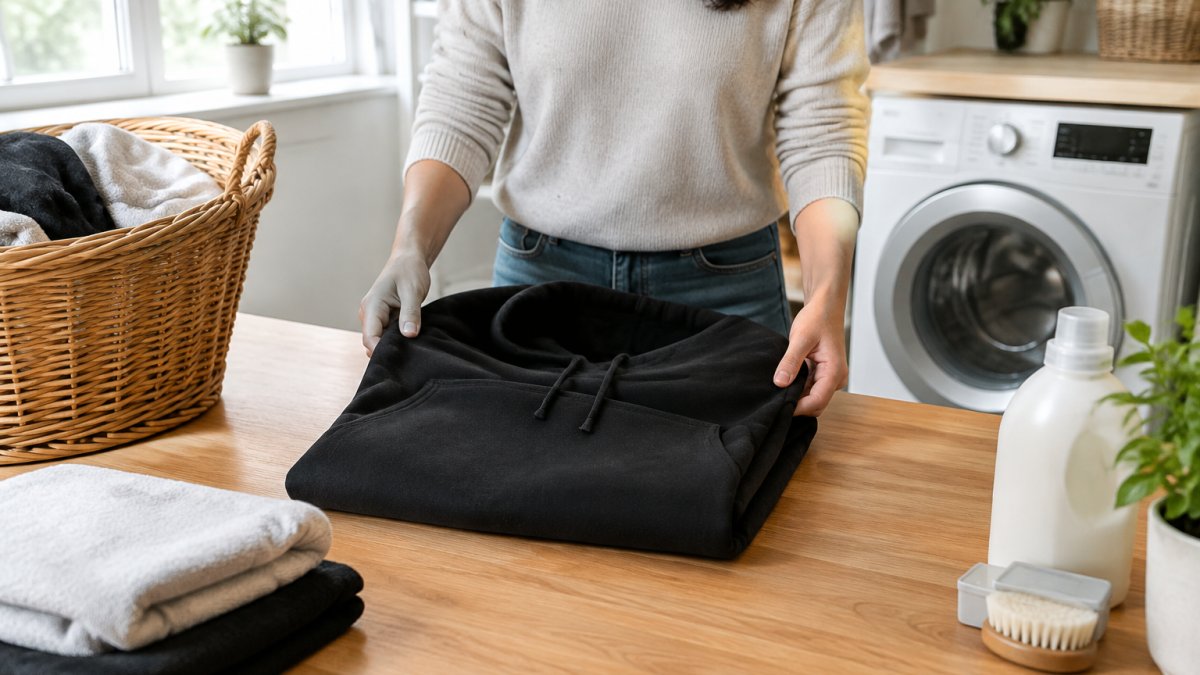
- Turn the garment inside out. This protects the outer surface and any leather accents from friction.
- Wash cold on a gentle cycle. Use cold water and a mild detergent. Skip fabric softener, which coats fibers and reduces absorbency.
- Wash less often. Heavy cotton resists odor. Two to three wears between washes is usually enough.
- Air dry flat or hang. Lay heavy knits flat to keep their shape. Hang tees by the hem, not the shoulders.
- Store folded, not hung. Folding prevents shoulder stretching on heavier pieces.
Washing, Drying, and Storing Your Heavyweight Pieces
A few habits make a real difference over years of use. Wash dark colors separately for the first few cycles. Zip zippers before washing to stop them snagging other fabric.
Store clean, fully dry pieces in a cool closet. Damp storage invites mildew, which is nearly impossible to remove from dense cotton.
Signs Your Garment Has Reached the End of Its Life
A garment is finished when the fabric thins to the point of transparency, seams split beyond repair, or holes appear in high-friction areas. Fading alone is not a reason to retire a piece. The useful skill is telling cosmetic aging apart from loss of function, because most heavyweight cotton fails in stages rather than all at once.
Cosmetic Aging vs. Loss of Function
Cosmetic aging is surface change that does not affect wear: slight fading, softened hand feel, minor pilling in low-friction areas, and a relaxed drape. None of these shorten the garment's life.
A practical way to assess a piece is to check it in this order:
- Hold it up to light. If you can see your hand clearly through the body or underarms, the knit has thinned past reliable wear.
- Tug the seams gently. If stitching opens or you see gaps at the shoulder or armhole, the seam is failing.
- Check the neckline. A collar that stays stretched after you smooth it will not recover.
- Look at high-friction zones. Elbows, cuffs, underarms, and the seat of pants wear first. Small holes there tend to grow quickly.
- Feel for thin patches. Compare the body to the hem; if the body feels noticeably thinner, the fabric is wearing out.
Watch out: a single small hole is not automatically the end. A hole in a seam or hem is often a repair job, while a hole in the middle of a thin patch usually signals the fabric is too weak to hold a patch.
Repair, Reuse, and End-of-Life Options
Repair is worth trying first. A good tailor can fix a split seam, reinforce a collar, or darn a small hole for a fraction of a new garment's cost.
When repair no longer makes sense, reuse before disposal. Worn heavyweight cotton makes good cleaning rags, shop cloths, and garden ties. Some brands and retailers run take-back programs that accept worn cotton for recycling into insulation or new fiber.
Extending clothing life matters beyond your wallet. WRAP's research on clothing durability found that extending a garment's life by nine months can cut its carbon, water, and waste footprint by up to 20%. For heavyweight cotton specifically, the dense fabric and strong seams mean repair often buys years rather than months, which makes the repair-versus-replace decision worth taking seriously.
Choosing Heavy Cotton That Holds Up for Years
The best heavy cotton is dense, well-stitched, and made from long-staple yarn. Buy for construction, not just thickness.
Here is what to check before you buy:
- Fabric weight of 200 GSM or higher for tees, 400 GSM and up for French Terry
- Double-stitched seams at shoulders and armholes
- Pre-shrunk labeling to limit first-wash shrinkage
Our 260 GSM Signature tee is a good example of a mid-heavyweight piece built for daily wear. If you want curated options, our roundup of the best luxury hoodies for men covers pieces chosen for construction and longevity.

The real difference between a garment that lasts two years and one that lasts five is rarely the fiber. It is the weight, the seams, and how you wash it.
Heavy cotton rewards buyers who look past the label. Choose dense fabric, check the stitching, and treat the piece well.
Frequently Asked Questions
Is heavy cotton the same as 100% cotton?
No. Heavy cotton describes fabric weight, not fiber content. A heavyweight tee or hoodie can be 100% cotton or a blend with polyester or elastane. Heavyweight cotton is defined by its grams per square meter (GSM), typically 200 GSM and up for tees and 400 GSM and up for French terry. Always check the label for fiber composition separately from the weight, since a heavy blend will behave differently in washing and drying than pure cotton.
Does cotton last longer than polyester?
Consumer expectations lean that way. Consumer expectations generally lean toward cotton lasting longer than manmade fibers, though that reflects perception rather than measured lifespan. In practice, how long heavy cotton lasts depends on fabric weight, construction quality, and care. A well-made heavyweight cotton piece in regular rotation can stay in use for years, while a thin, poorly stitched garment may fail much sooner regardless of fiber.
How many washes does a T-shirt last?
There is no universal wash count, but you can estimate. A heavyweight cotton tee worn once a week and washed after each wear sees about 52 wash cycles a year. If the garment holds up for four years of that routine, that is roughly 200 washes. Lighter tees washed more often and machine dried will show thinning, fading, and seam stress sooner. Cold water, lower spin speeds, and air drying stretch the number of washes a shirt survives.
Will heavyweight cotton shrink?
It can, especially on the first wash. Cotton fibers relax and contract when exposed to heat and moisture, so a 100% cotton heavyweight tee may shrink a small amount after the first wash and dry. Pre-shrunk and garment-dyed pieces shrink less. To limit shrinkage, wash in cold water and air dry or tumble on low. Expect the most change after the first cycle, with minimal movement after that if you keep heat out of the process.


