


Table of Contents
- The Quiet Luxury Aesthetic Isn't About Price Tags
- Core Principles of the Quiet Luxury Aesthetic
- Minimalist Luxury Fashion for Men: Building a Refined Wardrobe
- Capsule Wardrobe Essentials: The Foundation of Quiet Luxury
- Tailoring and Fit: The True Markers of Sophistication
- Quiet Luxury on a Budget: Where to Invest and Where to Save
- Old Money Style vs. Quiet Luxury: Why the Distinction Matters
- Conclusion: Wear Your Resilience with PrevailX
- Frequently Asked Questions
Last Updated: September 4, 2026
The Quiet Luxury Aesthetic Isn't About Price Tags
The quiet luxury aesthetic is a style philosophy that prioritizes exceptional materials, precise tailoring, and understated design over visible branding. This guide from PrevailX INC breaks down how to master this approach in 2026, moving beyond surface-level definitions to the practical decisions that build a wardrobe of genuine, lasting value.
Most guides treat quiet luxury as a shopping list of expensive items. That misses the point. The aesthetic is a mindset shift toward refined consumption, where each piece earns its place through versatility, craftsmanship, and longevity.
The real tension is between aspiration and authenticity. Anyone can buy a cashmere sweater. Fewer understand that the aesthetic is less about the label and more about how the garment drapes, holds its shape after years of wear, and communicates a sense of self that needs no external validation.
Below, we translate these principles into action, covering the core pillars, capsule wardrobe essentials, and practical questions most guides ignore, including building this aesthetic on a realistic budget.
Core Principles of the Quiet Luxury Aesthetic
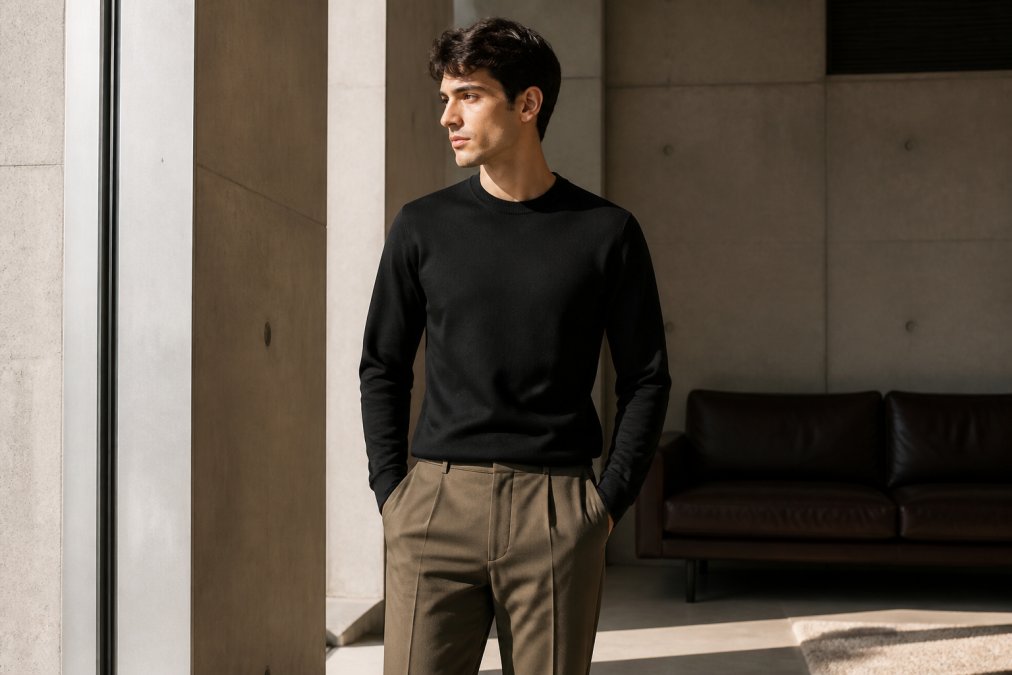
Quiet luxury is built on restraint, quality, and intentionality. It rejects loud logos in favor of a minimalist aesthetic where value lies in construction, fabric integrity, and silhouette, a choice to let quality speak in a whisper rather than a shout.
The result reads as sophisticated and polished without trying to impress. This approach is associated with timeless wardrobe building, shifting focus from seasonal trends to enduring style, a form of slow fashion.
Quality Over Quantity: The Investment Mindset
The first pillar is the conscious decision to buy fewer, better things. Instead of several mediocre garments, you invest in fewer, superior pieces that offer greater longevity and a more refined appearance, recognizing that a well-made item retains its shape, color, and feel long after cheaper alternatives have worn out.
The upfront cost is higher, but the cost per wear is often lower than that of fast fashion. A common mistake is equating price with quality; discerning taste involves examining construction, fabric density, and finishing details before considering the label (extension.iastate.edu).
The Power of a Monochromatic Palette
A second defining feature is a monochromatic palette of neutral tones, black, cream, oat, taupe, charcoal, creating a seamless, elongated silhouette and instant aesthetic balance. This simplifies dressing, as nearly every piece coordinates with every other.
The strategy is texture layering. When color is stripped away, the interplay of fabrics becomes the focal point. Pairing a matte heavyweight cotton tee with a smooth silk scarf or textured wool overcoat creates a sophisticated look that relies on tactile contrast rather than pattern, the essence of refined minimalism.

Minimalist Luxury Fashion for Men: Building a Refined Wardrobe
For men, minimalist luxury fashion is less about trends and more about perfecting a formula of classic, well-fitting garments. The focus is on wardrobe staples that form a cohesive system, prioritizing a signature look that is both personal and professional.
The foundation is strict adherence to fit and proportion. A simple white t-shirt under a perfectly tailored blazer can look more expensive than a designer shirt with visible branding. The goal is a presence that feels assured and grounded, where clothing supports the person rather than overshadowing them.
Capsule Wardrobe Essentials: The Foundation of Quiet Luxury
A capsule wardrobe is the practical engine of quiet luxury, a curated collection of versatile, high-quality pieces designed to be mixed and matched, maximizing outfit combinations while minimizing clutter.
Every item should earn its place by meeting a high bar for quality, fit, and versatility. A well-considered collection might include a tailored wool overcoat, heavyweight t-shirts, a fine-gauge knit sweater, crisp oxford shirts, and well-cut trousers in neutral colors.
Fabric Selection: Cashmere, Silk, and Heavyweight Cotton
The difference between a garment that looks good and one that embodies quiet luxury often comes down to fabric. Fabric integrity dictates how a piece drapes, breathes, and ages. Key fabrics include cashmere for softness and warmth, silk for subtle sheen, and heavyweight cotton for structure and durability.
A specific point of distinction is cotton weight (ncsu.edu). Standard t-shirts feel flimsy and lose their shape. In contrast, a premium 260 GSM or 430 GSM heavyweight cotton offers a substantial feel and structured silhouette that holds its form throughout the day, a hallmark of quality.
The Missing Pillar: Caring for Your Investment Pieces
Owning luxury fabrics is only half the equation; maintaining them ensures your investment pays off over a decade, not just a season. Proper care is the difference between a cashmere sweater that lasts ten years and one that pills after two winters.
Cashmere and Wool: Never machine-wash these fibers; agitation causes felting and shrinkage (the CDC). Hand-wash in cool water with a dedicated wool and cashmere wash. Gently squeeze, never wring. Roll in a clean towel to remove excess water, then lay flat to dry on a mesh rack. Never hang a wet knit; the water's weight will stretch it permanently. Fold knits for storage to prevent shoulder bumps. Use cedar blocks or lavender sachets to deter moths, which are attracted to keratin in animal fibers.
Silk: Silk is a delicate protein fiber weakened by sunlight and perspiration. Hand-wash in cold water with a gentle detergent for delicates, or dry-clean structured pieces like blazers. Never wring or twist. Iron on low while slightly damp, or steam to remove wrinkles. Store away from direct sunlight to prevent yellowing.
Heavyweight Cotton (260+ GSM): This fabric is more forgiving but still requires care. Wash in cold water on a gentle cycle and hang to dry. Dryer heat causes shrinkage and breaks down fibers over time. If you must use a dryer, use the lowest heat setting and remove items while slightly damp. Avoid over-drying and never use fabric softeners, which coat fibers and reduce breathability.
Leather and Suede: Condition leather shoes and jackets regularly with a high-quality balm to prevent cracking. For suede, use a protective spray before wearing and a suede brush to lift dirt. Never store leather in plastic; use a breathable cotton garment bag.
The Economics of Care: Cost Per Wear Revisited
The true cost-per-wear calculation must include maintenance. A $300 cashmere sweater that lasts eight years with proper hand-washing costs less per wear than a $100 sweater that pills after one season. Investing 15 minutes in hand-washing is a direct investment in your wardrobe's longevity, the quiet, unglamorous work that underpins the entire aesthetic.
Tailoring and Fit: The True Markers of Sophistication
The quiet luxury aesthetic is fundamentally about achieving a perfect silhouette, impossible without proper tailoring and fit. Even the most expensive fabric looks sloppy if the garment does not fit correctly. The goal is clothing that follows the body's lines without being tight, creating a clean, uninterrupted line from shoulder to hem.
Bespoke tailoring or alterations are the ultimate tools. A common mistake is accepting an off-the-rack fit that is merely "okay." Having sleeves shortened or the waist taken in by even a small amount can transform a jacket's appearance, signaling discernment central to the aesthetic's appeal.
Tailoring for Every Body: Beyond the Standard Fit
Most style guides assume a singular, narrow silhouette, but quiet luxury is achievable for every body type. The key is understanding how proportion and fit principles adapt to your unique frame.
For broader shoulders or a larger chest: The critical adjustment is the jacket's shoulder seam. It should sit exactly at the edge of your shoulder bone, not droop over the arm or pull across the back. Look for jackets with a slightly wider shoulder and a suppressed waist to create a V-shape. Avoid boxy cuts that add bulk; instead, have your tailor taper the torso slightly to define your natural waist.
For a taller, leaner frame: The challenge is often length. Sleeves and trouser hems frequently run short. Ensure jacket sleeves end at the wrist bone, showing about a quarter-inch of shirt cuff. Trousers should have a slight break at the shoe, not hover above the ankle. A tailor can also add side adjusters for a more precise fit through the hip and thigh.
For a curvier or athletic build (broader hips/thighs): The priority is balancing proportions. A structured, slightly padded shoulder on a jacket can visually balance wider hips. Trousers should be chosen for their fit through the seat and thigh, then tailored at the waist. Flat-front trousers with a mid-rise are generally more accommodating than pleated or low-rise styles. The goal is a smooth line from hip to hem without pulling or gaping at the waistband.
For shorter statures: The objective is to elongate the line. Monochromatic dressing is your ally. Have trousers hemmed with no break (just touching the top of the shoe) to lengthen the leg. Jackets should be cropped to end at the hip bone, not below, to avoid shortening the torso. Ensure lapels are not overly wide, as they can overwhelm a smaller frame.
The Tailor's Checklist: What to Ask For
When you bring a garment to a tailor, be specific about the adjustments you need. A skilled tailor can perform these common alterations:
- Shoulder adjustment: The most complex and expensive alteration; always buy a jacket that fits well in the shoulders first.
- Sleeve shortening/lengthening: A standard, inexpensive adjustment that dramatically improves the look of a jacket or shirt.
- Trouser hemming: Essential for a clean break over your shoe.
- Waist suppression: Taking in the sides of a jacket or shirt to create a more defined shape.
- Tapering trousers: Narrowing the leg opening from the knee down for a more modern, streamlined fit.
The Psychology of Fit: How Clothes Affect Presence
The impact of a perfect fit extends beyond aesthetics. When clothes fit correctly, you move with more confidence and ease, not adjusting a slipping shoulder or pulling at a tight seam. This physical comfort translates into a more assured, grounded presence, the true essence of quiet luxury.
Quiet Luxury on a Budget: Where to Invest and Where to Save
A significant misconception is that quiet luxury requires unlimited wealth. In reality, a budget-conscious approach is not only possible but often results in a more thoughtful wardrobe. The key is strategic allocation: where to invest in high-durability items and where to save without compromising the overall look.
A practical framework is to save on trendy or seasonal items and invest in your wardrobe's foundation. Save on basic t-shirts but invest in a high-quality tailored coat or leather shoes that will last a decade. This ensures the most visible, frequently worn pieces are of the highest quality, prioritizing wardrobe longevity over brand names.
| Wardrobe Item | Approach | Rationale |
|---|---|---|
| Outerwear (Coat, Blazer) | Invest heavily | High visibility, worn for years, quality is immediately apparent |
| Shoes | Invest heavily | Durability and comfort are crucial; can be resoled |
| T-shirts & Knits | Invest moderately | Look for high GSM cotton (260+); balance cost with density |
| Trend Pieces | Save | Seasonal items don't need to last; focus on silhouette |
Old Money Style vs. Quiet Luxury: Why the Distinction Matters
The terms "old money style" and "quiet luxury" are often used interchangeably, but the distinction matters. Old money style is rooted in the traditions of established wealth, referencing specific preppy or equestrian codes. Quiet luxury, while sharing a visual language of restraint, is a broader, more modern aesthetic focused on the intrinsic value of the garment itself.
Quiet luxury is accessible to anyone who values quality and subtlety, regardless of background. It is about personal expression through craftsmanship, not replicating a specific social class. Understanding this distinction lets you adopt the principles that resonate with you without feeling confined to a historical script.
Conclusion: Wear Your Resilience with PrevailX
Mastering quiet luxury is a practice of intentionality, from choosing a monochromatic palette to investing in high-quality craftsmanship and proper fit. It is a rejection of noise in favor of substance, reflecting inner confidence and a discerning eye for what truly lasts.
PrevailX INC embodies this philosophy by transforming adversity into artistic expression through premium, purpose-driven apparel. Our collections, featuring the 430 GSM French Terry hoodies and sweaters in understated colorways with genuine leather accents, are crafted for those who value durability and quiet power. Each piece is designed to be a lasting reminder of resilience, offering the heavy-weight garment construction and refined aesthetic that define the style. Get started with PrevailX and build a wardrobe that reflects your journey.

Frequently Asked Questions
What is the quiet luxury style?
The quiet luxury aesthetic is a fashion philosophy that prioritizes understated elegance, premium materials, and impeccable tailoring over visible logos and flashy branding. It communicates refined taste through garment construction, fabric integrity, and a minimalist aesthetic. Instead of relying on a designer name, the focus is on the intrinsic value of the piece. This approach often includes a monochromatic palette, timeless wardrobe staples, and a curated closet that emphasizes versatility and wardrobe longevity, signaling sophistication through discernment rather than display.
How is quiet luxury different from old money style?
While often confused, quiet luxury and old money style have distinct origins. Old money style is rooted in the traditions of established wealthy families, often featuring specific heritage brands and classic preppy pieces. The quiet luxury aesthetic, however, is a broader, more modern design principle focused on refined minimalism and high-quality craftsmanship, accessible to anyone who values them. The key difference is intention: old money is about lineage and tradition, while quiet luxury is about personal taste and a discerning appreciation for premium materials, regardless of your background.
How can you build a quiet luxury wardrobe on a budget?
Building a quiet luxury wardrobe on a budget requires a strategic shift in focus. Instead of buying many fast-fashion items, save up for fewer, higher-quality investment pieces that will last. Start with capsule wardrobe essentials like a heavyweight 100% cotton t-shirt or a structured French terry hoodie, which offer durability and a premium feel without a designer name. Prioritize a perfect fit by getting items tailored, and stick to a neutral color palette for maximum versatility. This approach allows you to curate a collection that embodies the aesthetic's core principles of quality and timeless style without the high price tag.
What are the essential fabrics for a quiet luxury aesthetic?
The quiet luxury aesthetic is defined by the feel and integrity of its fabrics. Essential materials include cashmere, silk, wool, and high-quality heavyweight cotton. These fabrics are chosen for their durability, drape, and luxurious texture. For example, a 430 GSM French Terry hoodie offers a structured, substantial feel that signals quality through its density and weight. The focus is on fabric integrity and how the material holds its silhouette over time, prioritizing a sophisticated look that comes from garment construction, not just surface-level design.


