


Last Updated: November 13, 2026
Quick Summary
The best fabrics for a minimalist wardrobe are natural fibers with real weight behind them: cotton, linen, merino wool, and lyocell. These four hold up to repeated wear, resist odor, and drape well without demanding constant attention.
- Linen and hemp lead on breathability, while lyocell and silk excel at drape.
- Fabric weight is measured in grams per square meter, written as GSM.
- A high GSM number on a poorly knit fabric still pills and sags.
- A small amount of elastane, typically 2 to 5 percent, adds stretch and recovery.
- Check the label for fiber percentages and look for tight, even seams.
Table of Contents
- The Best Fabrics for a Capsule Wardrobe: What Actually Earns Its Place
- Cotton, Linen, Wool, and Lyocell: A Side-by-Side Comparison
- Durable Fabrics for Everyday Clothing: GSM, Weave, and Construction
- Natural vs. Synthetic Fabrics: Which Wins on Longevity and Comfort
- Sustainable Fabrics for a Capsule Wardrobe: Sourcing and Lifecycle Trade-Offs
- How to Spot Quality Fabrics in a Minimalist Wardrobe Before You Buy
- Choosing Your First Heavyweight Piece for a Minimalist Wardrobe
- Frequently Asked Questions
The Best Fabrics for a Capsule Wardrobe: What Actually Earns Its Place
The best fabrics for a minimalist wardrobe are natural fibers with real weight behind them: cotton, linen, merino wool, and lyocell. These four earn their place because they hold up to repeated wear, resist odor, and drape well without demanding constant attention.
Here is the short answer before the detail. A capsule wardrobe works when every piece survives a hundred washes and still looks intentional. Fabric determines that, not the label.
Below, we break down how each fiber performs, what fabric weight actually tells you, and how to spot quality before you spend. The five fabric families we cover each solve a different problem, and most people only need three of them.
Cotton, Linen, Wool, and Lyocell: A Side-by-Side Comparison
Cotton wins on everyday versatility, linen wins on warm-weather breathability, merino wool wins on odor resistance and temperature regulation, and lyocell wins on drape and softness. No single fiber beats the others across every measure.
The table below compares them on the properties that matter most for a wardrobe you wear constantly.
| Fabric | Breathability | Drape | Resilience | Care Difficulty | Best For |
|---|---|---|---|---|---|
| Cotton | High | Moderate | High | Easy | Everyday wear, layering |
| Linen | Very high | Loose, textured | Moderate | Moderate | Warm-weather clothing |
| Merino wool | High | Moderate | High | Moderate | Layering, seasonal dressing |
| Lyocell | High | Fluid | Moderate | Delicate | Drape-heavy pieces |
| Hemp | High | Sturdy, stiff | Very high | Easy | Durable basics |
How Each Fiber Performs on Breathability, Drape, and Resilience
Breathability describes how well a fabric moves moisture and heat away from the body. Linen and hemp lead here, with cotton close behind and merino regulating temperature rather than simply venting it.
Drape is how a fabric falls and moves. Lyocell and silk excel, cotton holds structure, and linen falls loose and textured by design. Resilience means how well a fabric recovers from wear and washing, and hemp and wool score highest.
What most guides miss is that these properties trade off against each other. A fabric that drapes beautifully rarely holds a sharp shape, and a fabric that resists wrinkles rarely feels soft against the skin. Choose based on how you will wear the piece, not on a single metric.
Durable Fabrics for Everyday Clothing: GSM, Weave, and Construction
Fabric weight is measured in grams per square meter, written as GSM. A higher GSM generally means a denser, heavier fabric that holds its shape longer and resists thinning at the elbows and knees.
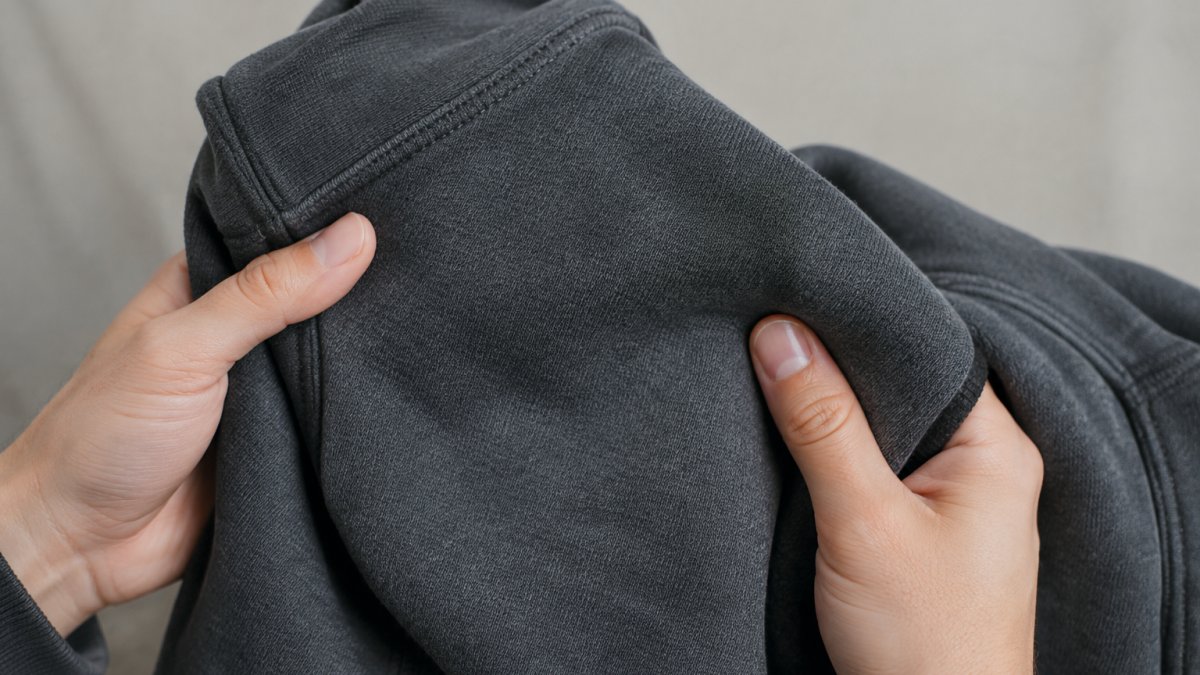
Weave matters as much as weight. A tight knit resists pilling, and a dense weave keeps the garment from stretching out at the shoulders. Construction details, like reinforced seams and clean stitching, tell you whether the maker expected the piece to last.
Our 260 GSM Signature Tee is built from premium 260 GSM heavyweight cotton, delivering a substantial feel and a structured silhouette. If you want to see what that weight looks like in practice, you can shop the 260 GSM Signature Tee.

Watch out: a high GSM number on a poorly knit fabric still pills and sags. Weight is a signal, not a guarantee.
Natural vs. Synthetic Fabrics: Which Wins on Longevity and Comfort
Natural fibers generally win on breathability, odor resistance, and comfort against the skin. Synthetics win on wrinkle resistance and quick drying, but they trap odor and shed microplastics over time. The honest answer is that neither category wins outright, and the reason comes down to how each fiber behaves at the molecular level rather than to a marketing label.
Cotton, linen, hemp, wool, and silk are built from cellulose or protein chains that absorb moisture into the fiber itself. That absorption is why a cotton shirt feels cool in humidity and why merino wool can hold a percentage of its weight in water vapor without feeling damp. It is also why these fibers resist odor: bacteria need surface moisture to multiply, and natural fibers pull that moisture away from the skin.
The longevity picture is more nuanced than "natural lasts longer." Wool and hemp have high tensile strength and recover well from stretching, so a well-constructed wool sweater can outlast a polyester one by years. Cotton is strong when dry but loses roughly half its strength when wet, which is why heavy cotton garments can stretch at the shoulders if hung damp. Linen is strongest when wet but creases sharply and abrades at fold points.
Fabric blends complicate the picture, and the percentage matters more than the fiber name. A small amount of elastane, typically 2 to 5 percent, adds stretch and recovery to cotton and helps a garment keep its shape through repeated wear. A high synthetic percentage in a shirt marketed as cotton usually signals cost-cutting rather than performance.
Care requirements differ enough to affect cost per wear. Natural fibers generally tolerate cooler water and gentler detergents, and wool benefits from airing between wears and washing less often. Synthetics can be washed warm but should be line-dried to limit microfiber shedding, and they should not be ironed at high heat.
For a minimalist wardrobe, natural fibers do more of the work because they age with character rather than degrading invisibly. That does not mean avoiding synthetics entirely. A synthetic blend can survive heavy rain better than untreated cotton, and a small elastane content can extend the life of a stretch-woven pant.
If you are weighing whether the price of natural fibers pays off over time, our guide on whether luxury clothing is worth the price breaks down the cost-per-wear math.
Sustainable Fabrics for a Capsule Wardrobe: Sourcing and Lifecycle Trade-Offs
Sustainable fabrics for a capsule wardrobe are the ones that last, because longevity is the single biggest factor in a garment's environmental impact. A piece worn for a decade offsets its production footprint many times over compared to a cheap item replaced every season. But "sustainable" is not a single property, and the fibers most often recommended for minimalist wardrobes carry real trade-offs that are worth understanding before you buy.
Organic cotton uses fewer synthetic inputs than conventional cotton, but cotton remains a thirsty crop. Growing a kilogram of cotton fiber typically requires thousands of liters of water, and organic certification addresses pesticide and fertilizer use more than irrigation. Linen comes from flax, which grows with relatively little irrigation and often on marginal land, but flax processing can be water- and chemical-intensive unless it is dew-retted.
Animal fibers add another layer. Wool and silk are renewable, but their footprints depend heavily on land use, feed, and animal welfare practices. Merino wool from responsibly managed flocks can be a strong choice for odor resistance and longevity, while silk has a high water and energy footprint per kilogram.
The trade-off is real, though. These fibers often cost more up front, and some require gentler care. The FTC's guidance on textile labeling requires accurate fiber content disclosure, so check the label rather than trusting marketing language. Certifications such as GOTS for organic textiles and the Global Recycled Standard for recycled content are verifiable claims, while unqualified terms like "eco-friendly" are not.
Lifecycle trade-offs matter as much as sourcing. Natural fibers are generally biodegradable, but that only helps if the garment is actually composted rather than landfilled, and blends with synthetic fibers complicate biodegradability. Regenerated cellulosic fibers like lyocell biodegrade in industrial composting conditions but may persist in home compost. Synthetic fibers do not biodegrade and shed microplastics during washing, which is why a guppy bag or a filter can reduce shedding even if it does not eliminate it.
Care is part of the sustainability equation. Washing less often, using cold water, line-drying, and repairing small damage all extend garment life more than any single fiber choice. A wool sweater aired and spot-cleaned between wears can go many wears between washes, while a cotton tee worn once and washed hot will degrade faster than its fiber content suggests.
For a capsule built around lasting pieces, you can browse the heavyweight hoodie collection to see how these principles translate into finished garments.
How to Spot Quality Fabrics in a Minimalist Wardrobe Before You Buy
Quality fabric reveals itself in three places: the hand feel, the fiber content, and the construction. Run your fingers across the surface. A dense, smooth knit with no loose fibers signals care. Check the label for fiber percentages, and look at the seams for tight, even stitching.
Here is a checklist we would use in the store:
- Fiber content listed clearly, with natural fibers dominant
- Fabric weight appropriate to the garment type
- Seams tight and even, with no loose threads
- Fabric springs back when stretched, not sagging
- Color consistent across the whole garment
- Care instructions realistic for how you live
For a closer look at how these signals show up in real pieces, our guide to the best luxury hoodies for men walks through them in practice.
Choosing Your First Heavyweight Piece for a Minimalist Wardrobe
Start with a mid-layer you will wear three seasons a year, and pick a weight that holds structure without feeling rigid. For most people, that means a heavyweight crewneck or hoodie in a neutral color that layers under a jacket and over a tee.
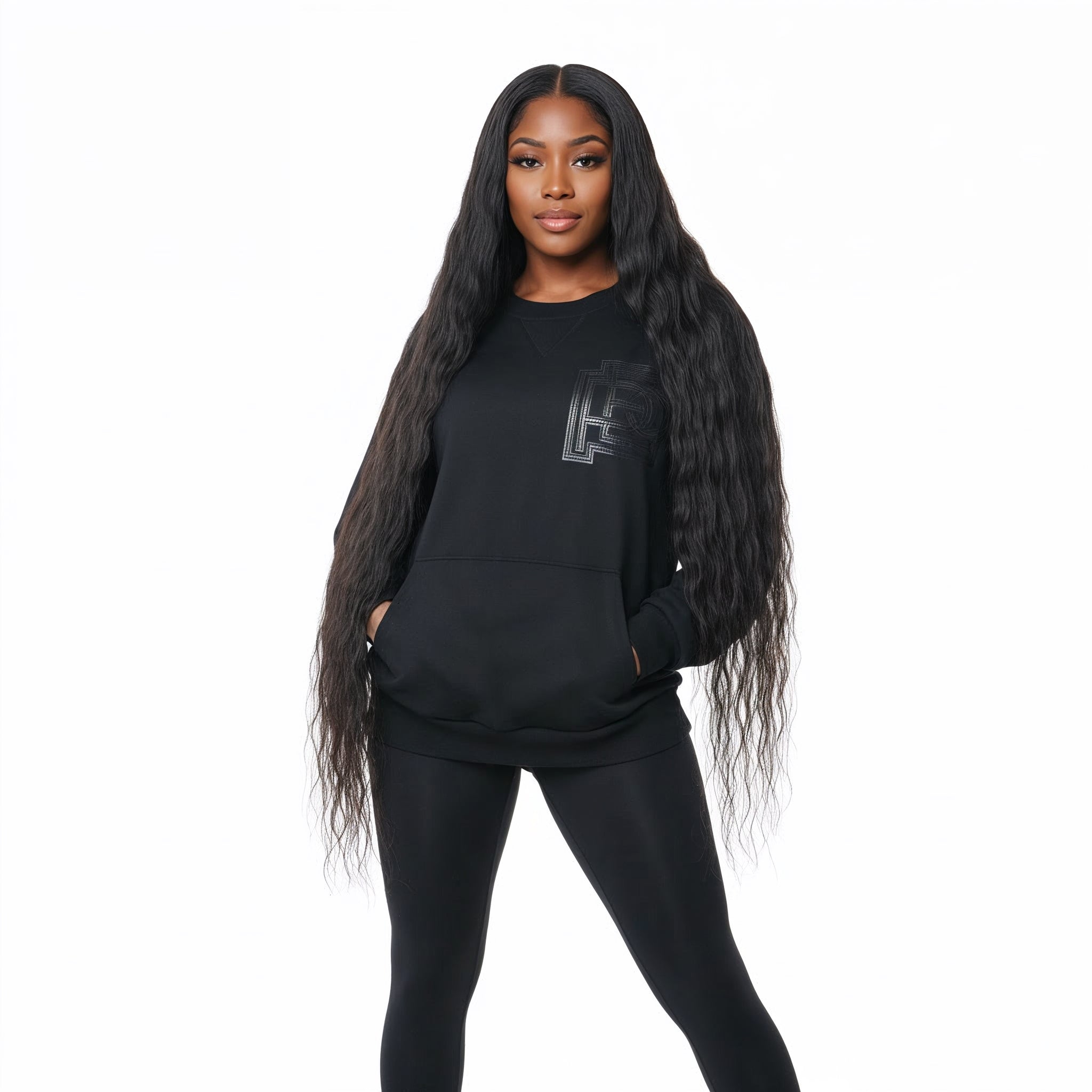
A heavyweight French terry piece is a practical entry point for a capsule wardrobe. Its 430 GSM weight is built for lasting structure. Our 430 GSM black-on-black sweater is crafted from premium 430 GSM heavyweight French terry, and you can shop the 430 GSM French terry sweater to see the fabric weight in detail.
Best for: anyone building a first capsule who wants one piece that carries the whole wardrobe. Skip if: you live somewhere that never drops below warm, where linen and cotton will serve you better.
Building a wardrobe that lasts means choosing fabrics that earn their place, then buying fewer, better pieces. PrevailX crafts heavyweight 430 GSM French terry hoodies and sweaters with genuine leather accents, designed to hold their structure through years of wear. Free shipping applies on orders over $150. Get started with PrevailX and build a wardrobe that reflects the strength you carry.
Frequently Asked Questions
What fabrics are best for a minimalist wardrobe?
Cotton, linen, merino wool, and lyocell do the most work in a minimalist wardrobe because they hold up to frequent wear and resist odor. Look for heavier weights, such as 260 GSM cotton or 430 GSM French terry, since denser knits keep their shape through repeated washing. Neutral colors across these four fibers let you mix pieces freely, which is the whole point of a capsule approach.
What is the most durable fabric for everyday clothing?
Heavyweight cotton and wool generally outlast lighter knits and most synthetics. Wool adds natural resilience and odor resistance, so it needs fewer washes, which extends its life further. Fabric weight and stitch quality matter as much as the fiber itself.
Are natural fabrics better than synthetic fabrics for a capsule wardrobe?
Natural fibers like cotton, linen, and wool breathe better and resist odor, which matters when you own fewer pieces and wear them more often. Synthetics dry faster and cost less upfront, but they trap odor and pill sooner in most cases. A small amount of stretch fiber blended into a natural fabric can improve fit without sacrificing the benefits of the base fiber.
How do I choose versatile fabrics for a capsule wardrobe?
Pick fabrics that work across seasons and settings rather than fabrics built for one narrow use. A 260 GSM cotton tee layers under a 430 GSM French terry sweater in cool weather and stands alone in warm weather. Stick to neutral colors, check the fiber content label, and favor pieces with clean stitching and substantial hand feel. Fewer, better fabrics beat a drawer full of thin, single-purpose items.


