

Quick Summary
The best luxury hoodie fabric depends on climate and layering, but a 430 GSM French terry offers the strongest all-round balance of structure and warmth. Heavyweight fleece suits cold climates, while loopback cotton works for mild weather and layering. Compare weight, warmth, and structure before choosing.
- A 430 GSM French terry holds its shape and works well for cool to cold days.
- Heavyweight fleece gives the most warmth but drapes softer and can look less refined.
- Loopback cotton is lighter and more breathable, suited to temperate weather and layering.
- GSM measures fabric weight, but fiber content and construction also determine quality.
- Wash heavyweight knits inside out in cold water and air-dry them flat to preserve shape.
Table of Contents
- How We Compared These Luxury Hoodie Fabric Standards
- Luxury Hoodie Fabric Standards at a Glance: Comparison Table
- 1. 430 GSM French Terry: The Heavyweight Standard for Structure and Warmth
- 2. Heavyweight Fleece: Maximum Warmth for Cold Climates
- 3. Loopback Cotton: Lighter Layering for Temperate Weather
- 4. Understanding GSM: How Hoodie Weight Is Measured
- 5. Choosing a Fabric Standard for Layering and Fit
- 6. Care and Durability: Keeping a Premium Hoodie for Years
- Frequently Asked Questions
How We Compared These Luxury Hoodie Fabric Standards
Choosing a luxury hoodie starts with the fabric, not the logo. A heavyweight knit with a solid weight and a tight face will hold its shape, resist pilling and layer cleanly under a jacket. We compared the seven fabric standards below on the criteria that matter most when you are spending real money: weight measured in grams per square metre (GSM), warmth, drape, durability and how the fabric suits the climate you actually wear it in.
Last Updated: November 12, 2026
Luxury Hoodie Fabric Standards at a Glance: Comparison Table
The table below summarizes how each standard compares. Use it to narrow your shortlist, then read the detail sections for the trade-offs behind each rating.
| Fabric Standard | Typical Weight | Best Climate | Warmth | Structure | Best For |
|---|---|---|---|---|---|
| 430 GSM French Terry | 430 GSM | Cool to cold | High | Strong | Structured, everyday luxury |
| Heavyweight Fleece | Heavy | Cold | Very high | Soft | Maximum warmth |
| Loopback Cotton | Lighter | Temperate | Moderate | Light | Layering in mild weather |
| Heavyweight Cotton Jersey | Heavy | Temperate to cool | Moderate | Medium | Relaxed, classic fit |
| Brushed Interior Fleece | Medium-heavy | Cold | High | Soft | Comfort with a smooth interior |
| Ribbed Knit Blend | Medium | Mild | Light to moderate | Medium | Fitted, tailored silhouettes |
| Recycled Fleece Blend | Medium-heavy | Cool | Moderate to high | Medium | Lower-impact material choices |
1. 430 GSM French Terry: The Heavyweight Standard for Structure and Warmth
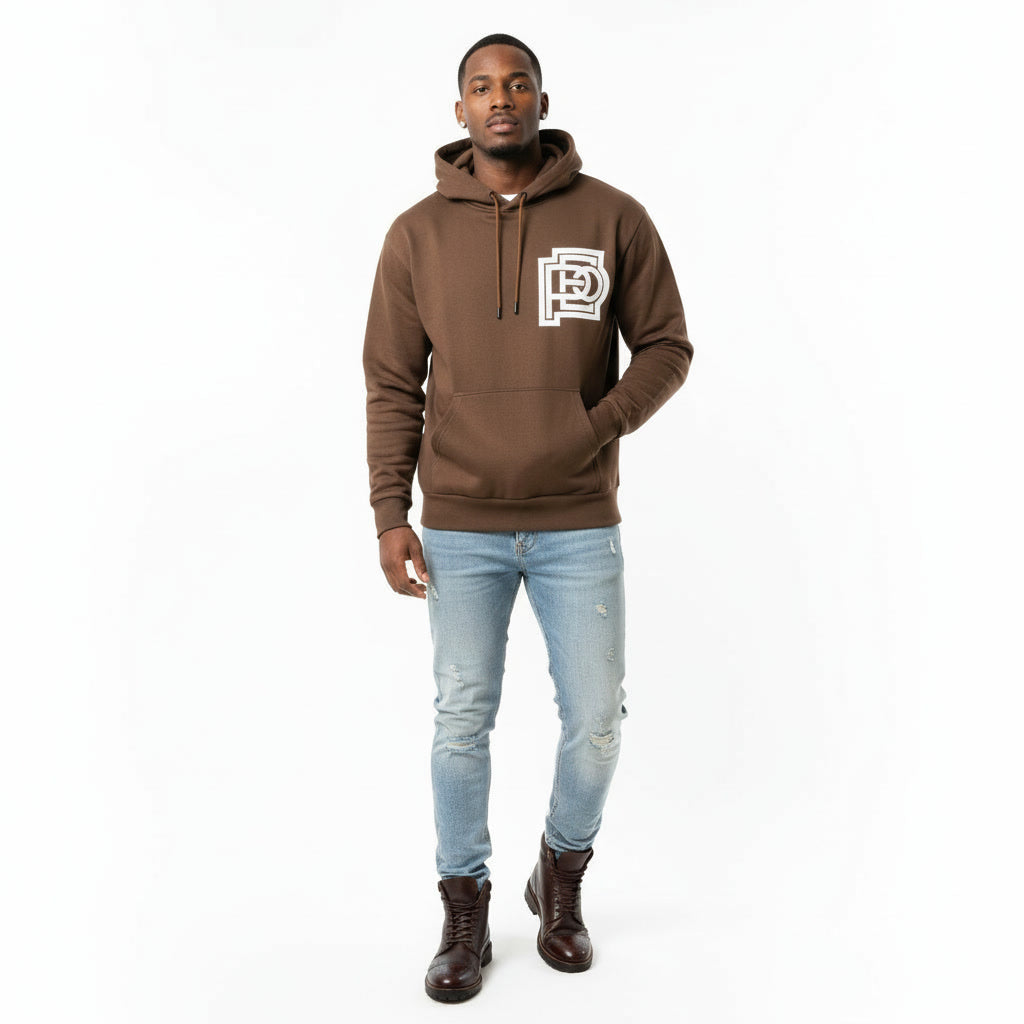
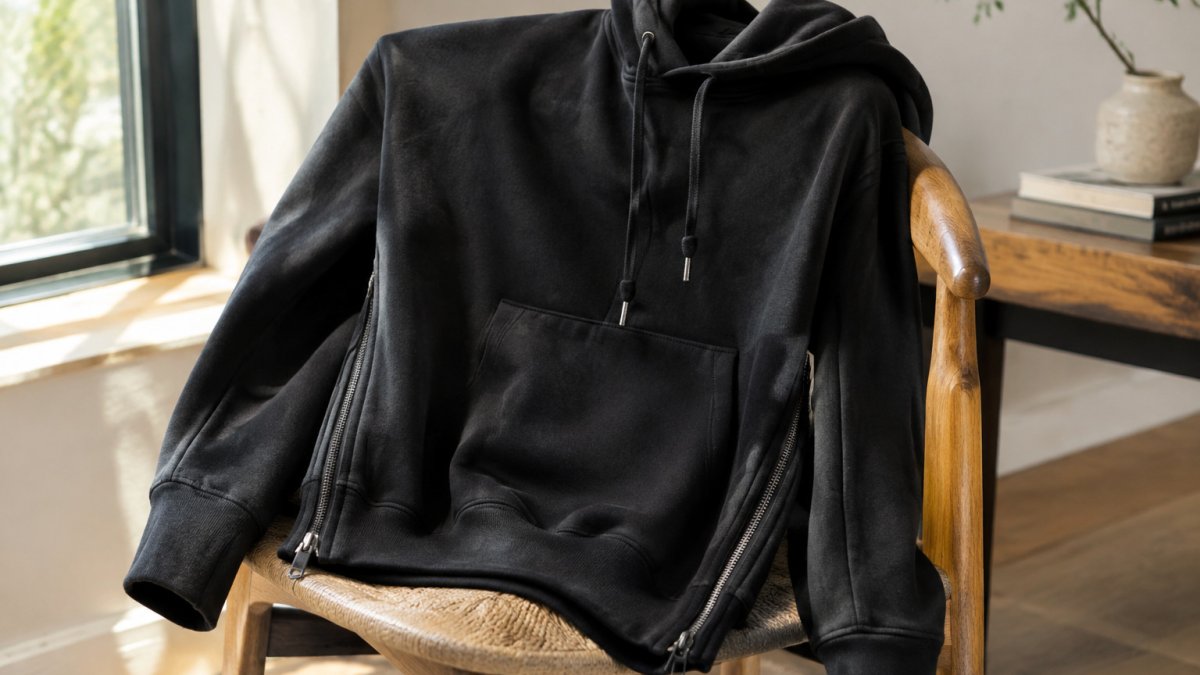
The loop face gives the knit body and a slightly textured hand, and at 430 GSM it sits in the range many buyers associate with a substantial, long-wearing garment.
Pros:
- Strong structure keeps the silhouette sharp over time
- Warm enough for cool and cold days without a jacket
- Holds its shape when layered under outerwear
Cons:
- Heavier and warmer than most people need in mild weather
- Less breathable than lighter loopback knits
2. Heavyweight Fleece: Maximum Warmth for Cold Climates
A heavyweight fleece traps more air, which makes it the practical pick for winter commutes and outdoor weekends. The trade-off is softness over structure: fleece drapes rather than holds a shape, so it can look less sharp than a French terry knit.
Pros:
- Highest warmth of the standards compared here
- Soft hand that feels comfortable against the skin
Cons:
- Softer structure, so it can look less refined
- Tends to attract lint and show wear faster than French terry
If you live where winters are long, a heavyweight fleece earns its place. If you mostly dress for a cool office, French terry is the better all-round choice.
3. Loopback Cotton: Lighter Layering for Temperate Weather
Loopback cotton is knitted so the loops sit on the inside, leaving a smoother outer face. It is lighter than French terry and works well in temperate conditions or as a mid-layer under a coat. It breathes better and is easier to move in, which makes it a sensible choice when you want a hoodie that does not feel like a second blanket.
Pros:
- Lighter and more breathable for mild weather
- Smooth face that layers neatly under jackets
Cons:
- Not warm enough as a standalone piece in cold conditions
- Lighter knit can show wear sooner under heavy use
Loopback is the right answer when your priority is versatility across spring and autumn rather than winter warmth.
4. Understanding GSM: How Hoodie Weight Is Measured
GSM stands for grams per square metre, and it is the most reliable way to compare the weight of knit fabrics. A higher number means a denser, heavier fabric. Weight alone does not guarantee quality, though: a 430 GSM knit made from poor yarn will still pill and stretch. Check the GSM figure, then check the fiber content and the construction.
Keep one caution in mind. A high GSM tells you how much fabric is in the hoodie, not how it will feel in use. Handle the piece, look at the stitching, and consider how the fabric will sit on your body.
5. Choosing a Fabric Standard for Layering and Fit
Your layering routine should drive the choice. If you wear the hoodie alone most days, a structured 430 GSM French terry gives you a finished look. If you layer under a jacket, a lighter loopback or a ribbed knit keeps the outline clean. Fit matters as much as weight: a heavy fabric in an oversized cut can look shapeless, while the same fabric in a tailored fit reads as deliberate.
Start with where you wear it most, then pick the fabric that suits that climate and that cut. Browse the PrevailX range to compare the French terry options side by side, including the Graffiti Black Hoodie and the Brown French Terry Hoodie with Leather Accents.

6. Care and Durability: Keeping a Premium Hoodie for Years
A luxury hoodie is an investment, so care matters as much as the fabric you buy. Wash heavyweight knits inside out in cold water, avoid high heat in the dryer, and let the piece air-dry flat so the knit keeps its shape. Pilling is the most common sign of wear; a fabric shaver handles it without damaging the face. Store the hoodie folded rather than hung, since hanging can stretch the shoulders over time.
Frequently Asked Questions
Are heavyweight hoodies better?
Heavyweight hoodies are better for cold weather and for a structured, premium look, because the fabric holds its shape and insulates more. Lighter fabrics are more comfortable in mild weather and layer more easily under a jacket.
What GSM is best for a luxury hoodie?
For most luxury hoodies, 400 GSM and above is the range that feels substantial and holds its silhouette. PrevailX's 430 GSM French terry is a heavyweight fabric. Lower GSM fabrics suit warm climates or layering pieces, but they drape more and feel less substantial.
Is French terry or fleece better for a hoodie?
French terry and heavyweight fleece both suit colder conditions, according to PrevailX's fabric guide. French terry is a structured heavyweight fabric.
How should a luxury hoodie fit when layering?
Layer a heavyweight hoodie over a fitted base layer and under a lightweight shell or overcoat, leaving enough room in the shoulders for movement without excess bulk. Test the combination with the jacket you plan to wear most, and check that the hoodie does not pull at the shoulders when you move your arms.


